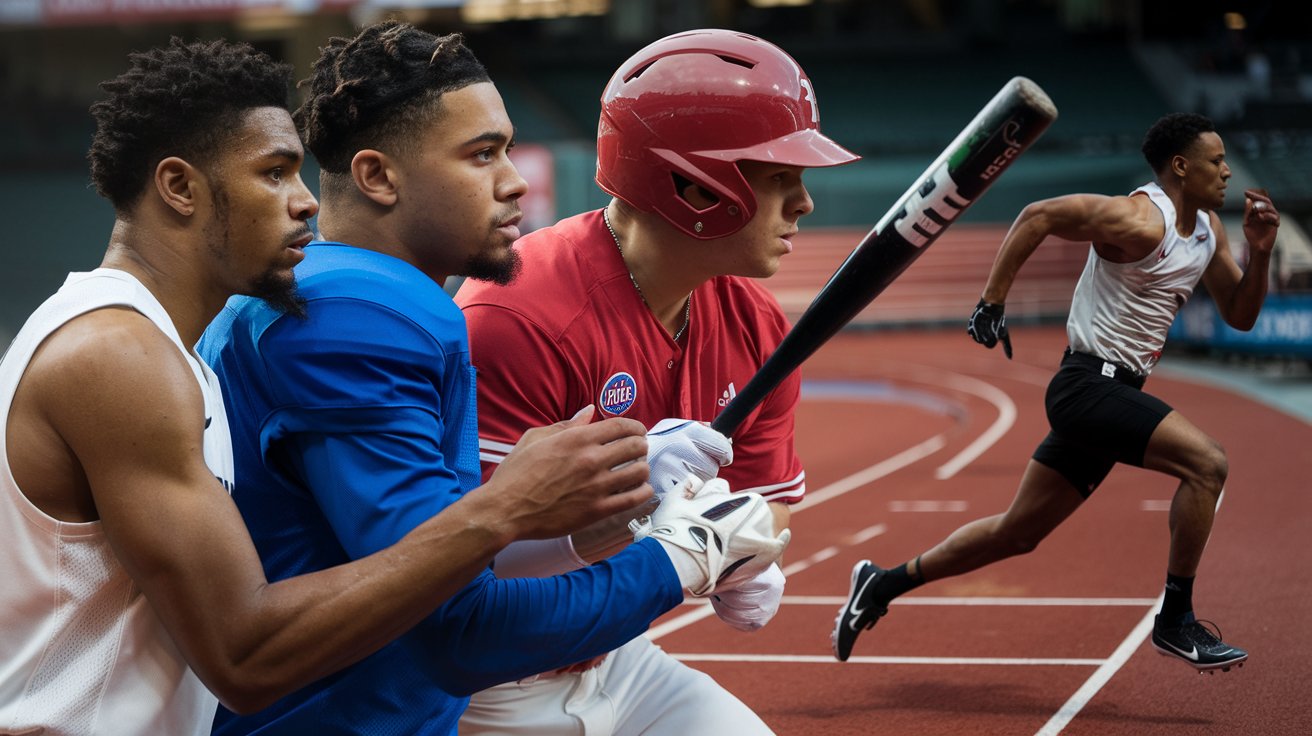
Mental training exercises for athletes have become as crucial as physical conditioning in 2026, with elite performers dedicating 20-30% of their training time to mental skills development. Whether you’re a young athlete starting your journey or a seasoned competitor seeking an edge, these evidence-based mental training techniques can transform your performance. This comprehensive guide provides free mental training exercises you can practice at home, complete with actionable strategies used by Olympic and professional athletes across the United States.
Understanding Mental Training for Athletes
Mental training for athletes encompasses systematic psychological techniques that enhance performance, resilience, and competitive mindset. Research from the United States Olympic and Paralympic Committee in 2026 reveals that athletes who implement structured mental training programs experience a 15-25% improvement in competitive performance compared to those focusing solely on physical preparation. This training addresses five core areas: concentration, confidence, emotional control, motivation, and visualization abilities.
The foundation of effective mental training exercises lies in consistency and personalization. Just as physical training adapts to individual needs, mental skills development requires customized approaches based on your sport, competitive level, and psychological profile. Studies from Stanford Sports Psychology Department demonstrate that athletes practicing mental exercises for just 10-15 minutes daily show measurable improvements in focus and stress management within three weeks. The key is selecting exercises that align with your specific performance challenges.
Essential Mental Training Exercises for Athletes at Home
Practicing mental training exercises for athletes at home offers convenience and consistency crucial for skill development. These exercises require no special equipment and can be integrated into daily routines, making them accessible for athletes at all levels.
Visualization and Mental Imagery Techniques
Visualization exercises represent the most researched mental training technique, with neuroimaging studies from UCLA showing that mental practice activates 80% of the same neural pathways as physical performance. To practice effective visualization at home, find a quiet space and spend 10-15 minutes mentally rehearsing your sport with all five senses engaged. Elite athletes in the United States report using visualization before competitions, during recovery periods, and as part of skill acquisition. Create detailed mental movies of successful performances, including the sounds of the environment, the feel of equipment, and the emotions of executing perfect technique.
Advanced visualization for mental training for young athletes should progress from simple to complex scenarios. Begin with visualizing basic skills in slow motion, then advance to full-speed competition scenarios with distractions and pressure situations. Research from the Association for Applied Sport Psychology indicates that athletes who practice multisensory visualization five times weekly develop superior motor memory and reduced performance anxiety compared to those using sporadic mental practice.
Breathing and Centering Exercises
Controlled breathing exercises provide immediate physiological and psychological benefits for athletes. The box breathing technique, used by Navy SEALs and adopted by numerous professional athletes, involves inhaling for four counts, holding for four counts, exhaling for four counts, and holding empty for four counts. This free mental training exercise activates the parasympathetic nervous system, reducing cortisol levels by up to 30% within three minutes according to 2026 sports medicine research. Practice this technique during training sessions to build neural associations between controlled breathing and optimal performance states.
Centering exercises combine breathing with body awareness to create mental reset points during competition. Place one hand on your chest and one on your abdomen, then practice diaphragmatic breathing while scanning your body for tension. Best mental training exercises for athletes include this centering protocol because it can be executed in 30-60 seconds during competition breaks, providing instant emotional regulation and focus restoration. Athletes report that consistent centering practice reduces pre-competition anxiety by 40% and improves decision-making during high-pressure moments.
Free Mental Training Resources and PDF Guides
Accessing free mental training exercises for athletes has become easier in 2026, with numerous evidence-based resources available for download. The United States Olympic Committee offers comprehensive mental training PDFs covering goal setting, self-talk, and focus strategies specifically designed for competitive athletes. These materials include structured 8-12 week programs with daily exercises, progress tracking sheets, and sport-specific applications that rival expensive coaching programs.
The Association for Applied Sport Psychology provides mental training for athletes PDF downloads covering topics from pre-competition routines to recovery mindset. These free resources include worksheets for identifying mental strengths and weaknesses, personalized exercise prescriptions, and evidence-based interventions for common performance blocks. Additionally, major university athletic departments including those at Duke, Michigan, and USC publish free mental skills workbooks that young athletes can use independently or with coaching support. These materials emphasize practical application over theory, ensuring athletes can immediately implement techniques into their training routines.
Mental Toughness Development for Young Athletes
Building mental toughness for young athletes requires age-appropriate exercises that develop resilience without creating excessive pressure. The current approach in 2026 emphasizes growth mindset cultivation, where young athletes learn to view challenges as opportunities rather than threats. Research from the Positive Coaching Alliance shows that youth athletes who receive structured mental toughness training demonstrate 35% lower dropout rates and significantly higher enjoyment levels compared to those focusing exclusively on outcome-based success.
Effective mental training for young athletes incorporates three foundational elements: emotional awareness, response flexibility, and perspective-taking. Simple exercises like emotion identification journals, where young athletes rate their feelings before and after training, build self-awareness crucial for emotional regulation. Challenge reframing activities teach athletes to transform negative thoughts like I cannot do this into growth-oriented alternatives like I cannot do this yet. These cognitive restructuring skills, when practiced consistently, create mental frameworks that serve athletes throughout their careers and beyond sports participation.
Building Confidence Through Self-Talk Exercises
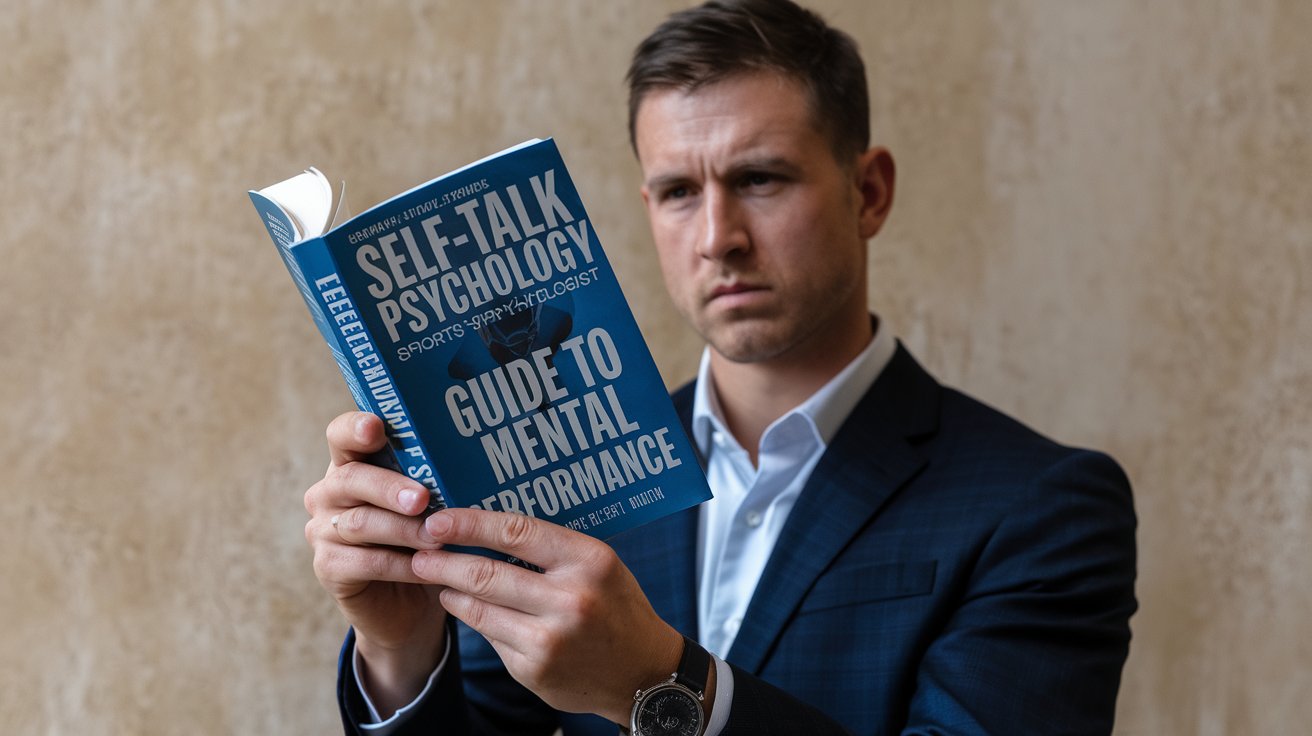
Positive self-talk exercises provide immediate and lasting confidence benefits for young athletes. Create a personal highlight reel of five specific past successes, then develop short affirmative statements connected to each achievement. Before training or competition, recite these statements while visualizing the associated memories. Sports psychology research from 2026 demonstrates that personalized self-talk based on actual accomplishments produces stronger confidence effects than generic affirmations. Young athletes should practice both instructional self-talk for skill execution and motivational self-talk for effort and perseverance.
Developing a mental training routine that includes self-talk pattern awareness helps young athletes identify and modify unhelpful internal dialogue. The thought-stopping technique teaches athletes to recognize negative self-talk, mentally say stop, and immediately replace the thought with a prepared positive alternative. Practice this exercise 10 times daily in low-pressure situations until it becomes automatic. Athletes who master this skill report significant reductions in performance anxiety and improved ability to recover from mistakes during competition.
Goal Setting and Achievement Visualization
Structured goal setting exercises provide direction and motivation while teaching young athletes valuable life skills. The SMART framework remains the gold standard, with goals that are Specific, Measurable, Achievable, Relevant, and Time-bound. However, 2026 best practices emphasize balancing outcome goals like winning championships with process goals focusing on controllable actions like maintaining focus during pressure situations. Research indicates that athletes with predominantly process-oriented goals experience less performance anxiety and greater long-term achievement compared to those focused primarily on outcomes.
Achievement visualization extends traditional goal setting by creating detailed mental blueprints of success. Young athletes should write down their goals, then spend time each week visualizing the specific actions, habits, and mindsets required to achieve them. This best mental training exercise for athletes connects abstract ambitions to concrete daily behaviors, increasing commitment and follow-through. Studies show that athletes who regularly practice achievement visualization are 60% more likely to maintain consistent effort toward long-term goals compared to those who simply write goals without visualization practice.
Concentration and Focus Enhancement Techniques
Developing elite concentration skills distinguishes good athletes from great ones, with research showing that focus maintenance accounts for up to 40% of performance variance in complex sports. The attention control training method teaches athletes to systematically shift between broad and narrow focus, as well as between internal and external awareness. Practice this by spending two minutes focusing exclusively on environmental sounds, then shifting to internal body sensations, then narrowing to a single visual target. Regular practice of these mental training exercises builds cognitive flexibility essential for adapting to changing competitive demands.
The parking lot technique provides a practical tool for managing distractions during training and competition. When irrelevant thoughts arise, athletes mentally visualize placing them in a parking lot to address later, then immediately redirect attention to performance-relevant cues. This free mental training exercise acknowledges thoughts without engaging them, preventing the attention drain that occurs when athletes try to suppress or fight distracting ideas. Cognitive research from Harvard demonstrates that athletes using this technique maintain optimal focus states 30% longer than those attempting thought suppression strategies.
Pre-Performance Routine Development
Consistent pre-performance routines create psychological triggers that activate optimal performance states. These routines should include physical, cognitive, and emotional components executed in the same sequence before every competition or important training session. Research across professional athletes in baseball, basketball, tennis, and golf shows that structured routines reduce performance variability by 25-35% and accelerate the transition into flow states. Your routine might include specific stretches, breathing patterns, visualization cues, and self-talk statements that together signal your mind and body to perform.
Developing an effective mental training routine requires experimentation and refinement over several weeks. Start with a 5-10 minute sequence that feels natural and includes elements addressing your specific needs. Athletes with anxiety should emphasize calming techniques, while those struggling with activation might focus on energizing components. The key is consistency rather than complexity. Simple routines performed reliably produce superior results compared to elaborate sequences that vary based on circumstances. Document your routine and practice it before training sessions to build automaticity before using it in competition.
Attention Refocusing After Mistakes
The ability to quickly refocus after errors represents a critical mental toughness skill that separates resilient athletes from those who spiral after setbacks. The 10-second rule provides a structured approach: allow yourself 10 seconds to experience the emotion, take a centering breath, recall a relevant positive memory or affirmation, then redirect full attention to the next play or moment. This technique acknowledges emotions without dwelling on them, preventing the cascade of negative thoughts that typically follow mistakes. Athletes practicing this approach reduce the performance impact of errors by up to 50% according to recent studies.
Building mistake recovery skills requires deliberate practice during training sessions. Intentionally create challenging situations where errors are likely, then practice your refocusing routine immediately afterward. This preparation reduces the shock and emotional intensity when mistakes occur in competition. Mental training research demonstrates that athletes who regularly practice mistake recovery during training experience significantly less performance decline after errors compared to those who only attempt refocusing during competitions. The neural pathways for recovery become automatic through repetition, allowing rapid emotional regulation when pressure is highest.
Emotional Regulation and Arousal Control
Mastering emotional regulation skills enables athletes to perform consistently across varying competitive conditions. The inverted-U hypothesis explains that performance quality depends on matching arousal levels to task demands, with both under-arousal and over-arousal degrading execution. Athletes need techniques for both increasing energy when under-activated and reducing anxiety when over-stimulated. Progressive muscle relaxation provides an effective tool for the latter, systematically tensing and releasing muscle groups while practicing deep breathing. Regular practice of this mental training exercise creates body awareness that helps athletes detect rising tension before it impacts performance.
For situations requiring energy activation, athletes can use techniques like energizing breathing patterns, dynamic movement, and motivational self-talk. The physiological sigh, consisting of two quick inhales through the nose followed by a long exhale through the mouth, rapidly reduces stress while increasing alertness according to Stanford neuroscience research from 2025. Combining this breathing pattern with power posing and energizing music creates a potent pre-competition activation protocol. The most successful athletes develop personalized toolkits containing both arousal-reduction and arousal-enhancement techniques, allowing flexible responses to different competitive situations.
Implementing Mental Training Programs Successfully
Creating sustainable mental training programs requires systematic integration into existing training schedules rather than treating mental exercises as optional additions. Research from leading athletic programs shows that mental skills practice works best when scheduled at consistent times, such as the final 10 minutes of physical training or during dedicated mental training sessions twice weekly. Athletes should track mental practice the same way they track physical workouts, using logs to document exercises completed, duration, and subjective effectiveness ratings.
Progressive overload principles apply to mental training just as they do to physical conditioning. Begin with foundational exercises like basic breathing and simple visualization, then gradually introduce more complex techniques such as adversity simulation and attention control training. The best mental training exercises for athletes follow a periodized approach that aligns with competitive seasons. During off-season, emphasize skill acquisition and routine development. Pre-season focuses on competition simulation and pressure training. In-season maintenance involves brief daily practices that reinforce established skills without creating additional fatigue. This systematic approach ensures continuous development while preventing mental burnout.
Measuring Mental Training Progress
Tracking mental training improvements provides motivation and helps refine exercise selection for maximum benefit. Create a simple rating system evaluating key mental skills weekly, using scales from 1-10 for attributes like confidence, focus, emotional control, and motivation. Graph these ratings over time to identify trends and correlations between mental practice and competitive performance. Many athletes in 2026 use smartphone apps designed specifically for mental skills tracking, though simple spreadsheets or journals work equally well for monitoring progress.
Competition performance reviews offer valuable feedback about mental training effectiveness. After each competition, spend 10 minutes evaluating your mental performance separately from physical execution. Ask questions like: Did I execute my pre-competition routine? How effectively did I manage mistakes? Did I maintain optimal arousal levels? What mental skills worked well, and which need additional practice? This reflective practice, combined with quantitative tracking, creates a comprehensive assessment system that guides ongoing mental training adjustments. Athletes using structured evaluation methods show 40% faster skill acquisition compared to those practicing without systematic feedback.
Adapting Exercises for Different Sports
Sport-specific mental training addresses the unique psychological demands of different athletic pursuits. Endurance athletes benefit most from dissociation techniques that manage discomfort and maintain motivation during long efforts, while explosive power athletes need arousal optimization and quick refocusing skills. Team sport athletes require communication skills and collective efficacy development beyond individual mental toughness. Precision sports like golf and archery demand exceptional concentration and pressure management techniques that differ from the mental requirements of contact sports.
Customizing mental training exercises for athletes based on sport characteristics increases relevance and transfer to competition. Basketball players might practice visualization of specific game situations with defensive pressure and crowd noise, while swimmers visualize race pacing and turn technique with sensory details of water resistance. Distance runners benefit from mental exercises addressing pain management and negative thought control during fatigue, while gymnasts need visualization techniques emphasizing perfect technique execution under judging pressure. Working with sport psychology consultants or using sport-specific mental training resources ensures exercises directly address the psychological demands of your particular athletic discipline.
Advanced Mental Training Techniques for Elite Performance
Advanced mental training methods used by elite and professional athletes build upon foundational skills to create sophisticated psychological capabilities. Biofeedback training uses technology to provide real-time data about heart rate variability, muscle tension, and brain wave patterns, allowing athletes to learn precise physiological control. Studies from the United States Olympic Training Centers show that athletes completing biofeedback protocols develop superior stress management skills and faster recovery between competitive efforts. While biofeedback typically requires specialized equipment, smartphone-compatible heart rate monitors now make basic versions accessible for serious athletes.
Mental simulation training involves creating and practicing responses to challenging scenarios before they occur in competition. Athletes mentally rehearse various adversity situations, including poor officiating calls, equipment failures, opponent provocations, and unexpected environmental conditions. By pre-experiencing these challenges mentally and developing response strategies, athletes reduce the emotional impact when difficulties arise in actual competition. This advanced mental training exercise creates psychological preparation that complements physical readiness. Research demonstrates that athletes who regularly practice adversity simulation maintain performance levels 30% better during unexpected challenges compared to those relying solely on in-competition problem-solving.
Related video about mental training exercises for athletes
This video complements the article information with a practical visual demonstration.
Everything you need to know about mental training exercises for athletes
What are the most effective mental training exercises for athletes?
The most effective mental training exercises for athletes include visualization with multisensory detail, controlled breathing techniques like box breathing, pre-performance routine development, positive self-talk training, and attention control exercises. Research from 2026 shows that athletes practicing visualization for 10-15 minutes daily combined with breathing exercises experience 15-25% performance improvements within 4-6 weeks. The key is consistent practice and personalizing exercises to address your specific sport and mental skill needs. Elite athletes typically dedicate 20-30% of their total training time to mental skills development.
How can young athletes practice mental training at home for free?
Free mental training exercises for athletes at home include visualization sessions in quiet spaces, breathing technique practice using smartphone timer apps, self-talk development through journaling, and goal-setting worksheets available from organizations like the United States Olympic Committee. Young athletes can access free PDF guides from the Association for Applied Sport Psychology covering comprehensive mental skills programs. Simple exercises like the 10-second refocusing rule after mistakes, emotion identification journals, and daily affirmation practice require no equipment or cost. Consistency matters more than expensive programs, with 10-15 minutes of daily practice producing measurable improvements within three weeks.
Where can I download free mental training PDFs for athletes?
Free mental training for athletes PDF resources are available from several reputable sources in 2026. The United States Olympic and Paralympic Committee website offers downloadable mental skills workbooks covering goal setting, focus strategies, and competition preparation. The Association for Applied Sport Psychology provides evidence-based PDF guides on topics from visualization to mistake recovery. Major university athletic departments including Stanford, Duke, Michigan, and USC publish free mental training materials designed for competitive athletes. These resources include structured programs, daily exercise protocols, progress tracking sheets, and sport-specific applications comparable to paid coaching programs.
How often should athletes practice mental training exercises?
Athletes should practice mental training exercises daily for optimal results, with 10-15 minutes representing the minimum effective dose according to 2026 sports psychology research. Elite performers typically dedicate 20-30% of total training time to mental skills, translating to 20-45 minutes daily depending on training volume. The key is consistency rather than duration, as brief daily practice produces superior results compared to sporadic longer sessions. Mental training should be periodized like physical training, with skill acquisition emphasis during off-season, competition simulation pre-season, and maintenance routines during competitive periods. Athletes practicing consistently show measurable improvements in focus and emotional control within three weeks.
What mental toughness exercises work best for young athletes?
The best mental toughness exercises for young athletes emphasize growth mindset development, emotional awareness, and challenge reframing rather than pure pressure exposure. Effective techniques include emotion identification journals rating feelings before and after training, thought-stopping exercises that replace negative self-talk with prepared positive alternatives, and goal-setting activities balancing outcome and process objectives. The 10-second mistake recovery rule teaches rapid refocusing after errors, while achievement visualization connects long-term goals to daily behaviors. Research shows that young athletes receiving structured mental toughness training demonstrate 35% lower dropout rates and significantly higher sports enjoyment compared to outcome-focused approaches without mental skills development.
Can mental training really improve athletic performance?
Yes, mental training significantly improves athletic performance based on extensive research evidence. Studies from the United States Olympic Committee in 2026 show that athletes implementing structured mental training programs experience 15-25% performance improvements compared to physical training alone. Neuroimaging research demonstrates that mental practice activates 80% of the same neural pathways as physical execution, creating genuine skill development. Elite athletes across professional sports dedicate substantial training time to mental skills, with measurable benefits including reduced performance anxiety by 40%, improved focus maintenance by 30%, and faster mistake recovery. The key is systematic practice of evidence-based techniques rather than sporadic mental preparation, with consistent 10-15 minute daily exercises producing noticeable results within three weeks.
| Mental Training Exercise | Implementation Details | Key Benefits |
|---|---|---|
| Visualization Training | 10-15 minutes daily with multisensory detail, practicing both skills and competition scenarios | Activates 80% of physical performance neural pathways, improves motor memory and reduces anxiety |
| Breathing Exercises | Box breathing 4-4-4-4 pattern for 3-5 minutes before training and competition | Reduces cortisol by 30% within 3 minutes, provides instant emotional regulation |
| Pre-Performance Routines | 5-10 minute consistent sequence combining physical, cognitive, and emotional elements | Reduces performance variability by 25-35%, accelerates flow state activation |
| Positive Self-Talk | Daily practice of personalized affirmations based on past successes and growth mindset statements | Significantly improves confidence and reduces negative thought patterns during competition |
| Mistake Recovery Protocol | 10-second rule allowing emotion acknowledgment, centering breath, then immediate refocus | Reduces performance impact of errors by 50%, prevents negative performance spirals |
| Goal Setting Practice | Weekly SMART goal review balancing outcome and process objectives with achievement visualization | Increases goal commitment by 60%, connects long-term ambitions to daily behaviors |