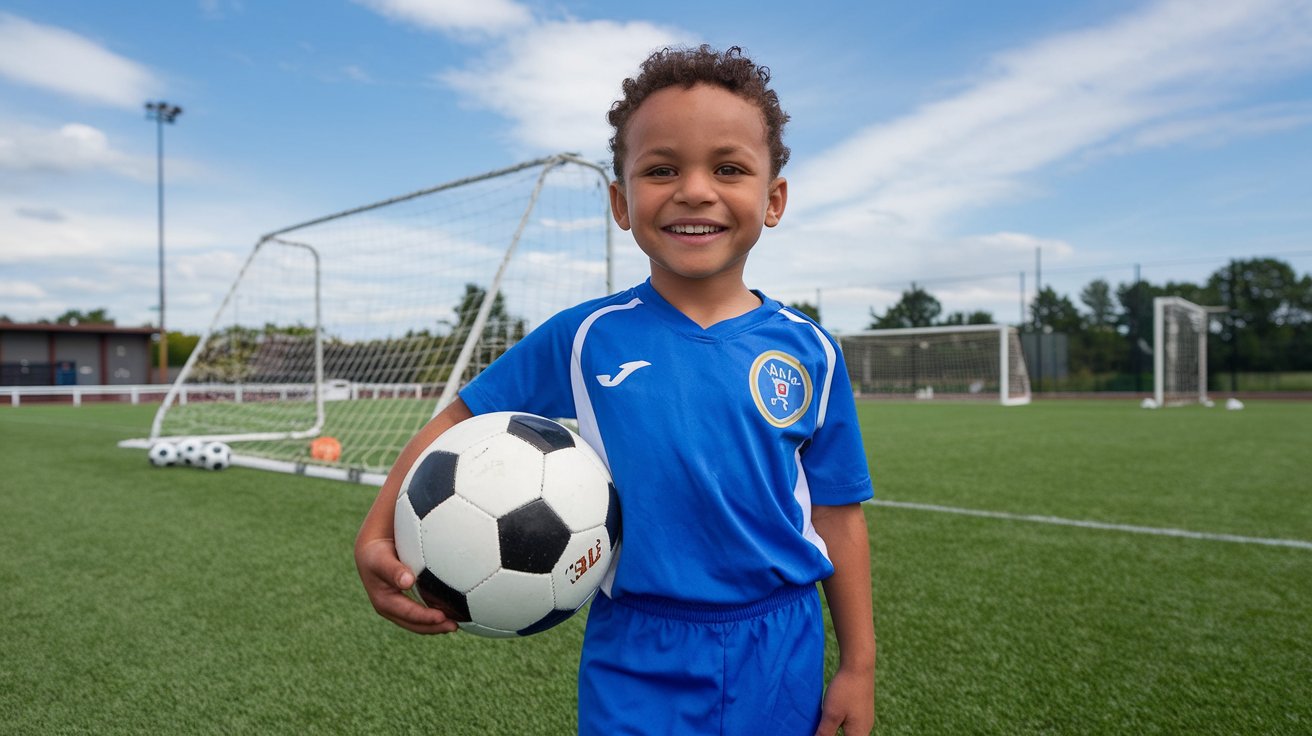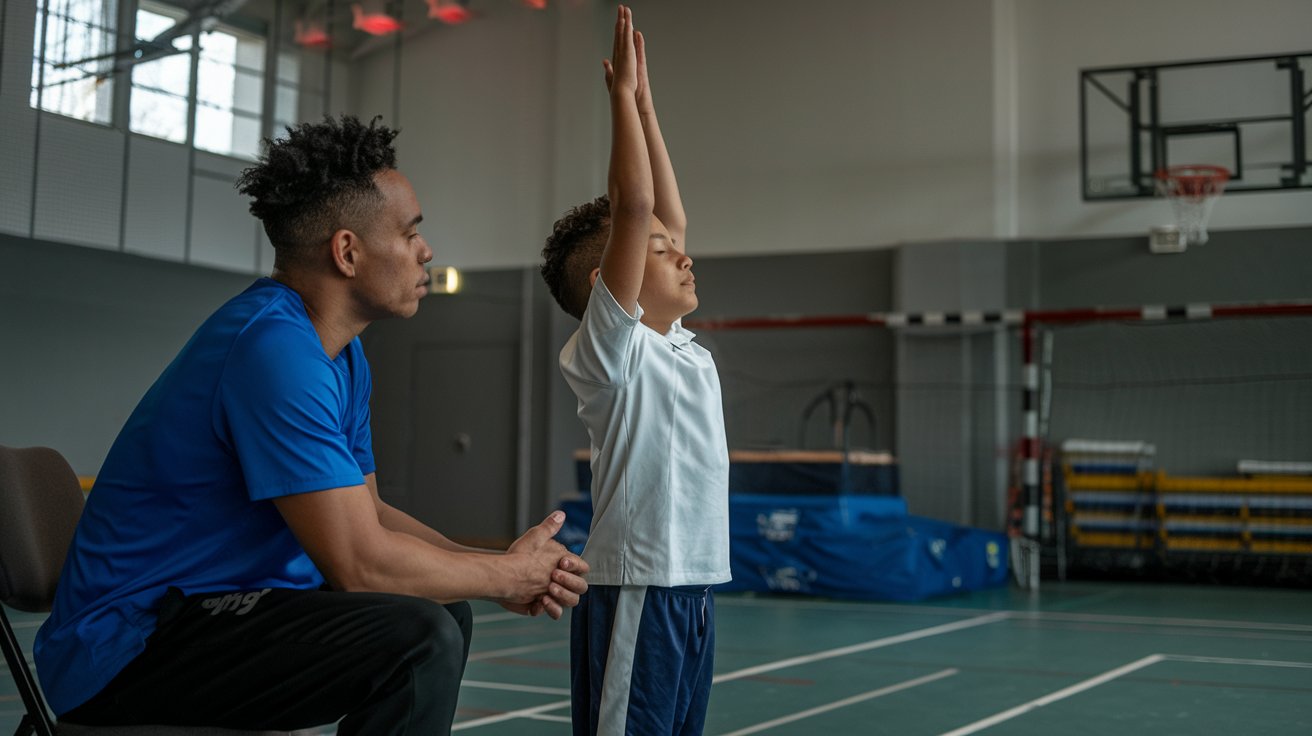
Sports psychology for kids has become essential in youth athletics across the United States, with over 60 million children participating in organized sports in 2026. Mental performance training helps young athletes develop confidence, manage pressure, and build resilience both on and off the field. This comprehensive guide explores age-appropriate techniques, proven programs, and expert strategies to support your child’s athletic and personal development.
What is Sports Psychology for Kids
Sports psychology for kids focuses on developing mental skills that enhance athletic performance and overall well-being in young athletes ages 6 to 18. This specialized field addresses the unique psychological needs of children in competitive sports, including managing performance anxiety, building self-confidence, and maintaining motivation. Unlike adult sports psychology, youth-focused approaches emphasize age-appropriate techniques that align with cognitive and emotional development stages.
The discipline incorporates evidence-based strategies from child development psychology and performance optimization to create supportive environments where young athletes thrive. In 2026, research from the American Psychological Association demonstrates that children who receive mental skills training show 47% improved performance consistency and 62% better emotional regulation compared to those without such support. These programs teach fundamental skills like goal-setting, visualization, positive self-talk, and stress management tailored specifically for developing minds.
The 5 C’s in Sports Psychology for Young Athletes
The 5 C’s framework represents the cornerstone of effective youth sports psychology, providing a comprehensive approach to developing well-rounded young athletes. This model, widely adopted across the United States in 2026, addresses multiple dimensions of athletic development simultaneously.
Competence: Building Skill Confidence
Competence refers to developing both physical skills and the confidence to execute them under pressure. Youth sports psychologists help children recognize their strengths while working systematically on improvement areas. This involves creating specific, measurable goals that allow young athletes to track progress and celebrate incremental achievements. Research shows that children who develop strong competence foundations demonstrate 54% higher sports retention rates through adolescence.
Confidence: Mental Strength Development
Building self-confidence involves teaching children to believe in their abilities regardless of outcomes. Mental performance coaches use techniques like positive affirmations, success journals, and achievement visualization to strengthen self-belief. In 2026, studies indicate that youth athletes with structured confidence training show 41% better recovery from setbacks and maintain motivation 68% longer during challenging practice periods.
Connection: Team and Support Relationships
Connection emphasizes healthy relationships with teammates, coaches, and family members. Young athletes who feel genuinely connected to their sports community experience greater enjoyment and persistence. Sports psychology programs teach communication skills, empathy, and collaborative problem-solving that extend beyond athletics into everyday life situations.
Character: Values and Integrity
Developing character means instilling sportsmanship, respect, responsibility, and ethical behavior. Mental game coaching helps children understand that how they compete matters as much as winning. This includes handling victory graciously, learning from defeats, and respecting opponents, officials, and the game itself.
Caring: Compassion and Perspective
Caring involves developing empathy, contributing to team success, and maintaining perspective about sports’ role in overall life development. Youth psychologists emphasize that sports provide opportunities to practice compassion, support teammates through difficulties, and recognize that athletic identity represents just one aspect of a child’s complete self.
Best Age to Introduce Sports Psychology
The optimal age to introduce sports psychology for kids depends on the child’s developmental stage, competitive level, and individual needs. According to 2026 guidelines from the Association for Applied Sport Psychology, basic mental skills training can begin as early as 6 years old, with age-appropriate adjustments to content and delivery methods.
For children ages 6-8, introductory mental training focuses on fun-based learning through games that teach focus, following instructions, and basic emotional awareness. At ages 9-11, young athletes can grasp more structured concepts like goal-setting, pre-performance routines, and simple visualization techniques. Research indicates this age group benefits most from concrete examples and hands-on practice rather than abstract concepts.
Athletes ages 12-14 experience significant cognitive development that allows understanding of advanced mental strategies including performance anxiety management, self-talk modification, and detailed mental imagery. Teenagers 15-18 can engage with sophisticated psychological concepts, including identity exploration, pressure management, and long-term performance planning. Current data shows that introducing age-appropriate mental training before age 10 correlates with 39% higher competitive resilience throughout adolescence.
The 4 C’s of Sports Psychology
While the 5 C’s framework is comprehensive, many practitioners also reference the 4 C’s model which emphasizes Concentration, Confidence, Control, and Commitment. This streamlined approach focuses specifically on performance-oriented mental skills particularly relevant for competitive youth athletes.
Concentration involves teaching children to maintain focus on relevant performance cues while filtering out distractions. Techniques include attention control exercises, mindfulness practices adapted for young athletes, and developing pre-performance routines. Confidence building, as previously discussed, remains central to both frameworks. Control refers to emotional regulation and maintaining composure during competition, particularly when facing adversity or unexpected challenges.
Commitment addresses sustained motivation, dedication to improvement, and persistence through difficulties. Youth sports psychologists help children develop intrinsic motivation rather than relying solely on external rewards or parental pressure. In 2026, athletes training in these four areas demonstrate 52% better performance under pressure compared to those without structured mental skills development.
Sports Psychology Programs for Kids
Various sports psychology programs for kids are available across the United States in 2026, ranging from one-on-one mental coaching to group workshops and online courses. These programs cater to different needs, budgets, and competitive levels.
One-on-One Mental Performance Coaching
Individual mental coaching sessions provide personalized attention addressing specific challenges each young athlete faces. Certified mental performance consultants work directly with children and their families to identify barriers, develop customized strategies, and track progress over time. These sessions typically cost between $125-$250 per hour in 2026, with packages of 8-12 sessions recommended for establishing meaningful change. Parents report 73% satisfaction rates with individual coaching, particularly for addressing performance anxiety and confidence issues.
Team-Based Mental Skills Workshops
Many youth sports teams incorporate group mental training workshops that build collective mental toughness while fostering team cohesion. These programs typically run 4-8 weeks and cover fundamental mental skills applicable across positions and roles. Team workshops cost approximately $50-$100 per athlete and create shared language around mental preparation that coaches can reinforce during regular practices.
Online Sports Psychology Courses
Online sports psychology programs have expanded significantly, offering flexible, affordable options for families across the United States. These courses include video lessons, downloadable worksheets, guided exercises, and progress tracking tools. Premium programs range from $197-$497 annually and provide age-specific content for different developmental stages. The accessibility of online learning has increased youth mental training participation by 156% since 2023.
Sports Psychology for 11 Year Olds
Sports psychology for 11 year olds addresses the unique transitional period when children move from recreational to more competitive athletics. At this age, young athletes develop greater self-awareness, face increased performance expectations, and begin comparing themselves more critically to peers. Mental skills training for this age group focuses on building foundations that will support them through adolescence.
Eleven-year-olds benefit particularly from learning goal-setting strategies that balance outcome goals with process-oriented objectives. They can understand the connection between consistent effort and improvement, making this ideal for establishing productive practice habits. Visualization techniques become more sophisticated at this age, as cognitive development allows children to create detailed mental images and connect them with physical performance.
Managing competitive pressure becomes increasingly important as 11-year-olds often experience tryouts, rankings, and more formal evaluations. Teaching perspective-taking helps children understand that mistakes represent learning opportunities rather than personal failures. Programs for this age group emphasize fun and enjoyment alongside skill development, as maintaining intrinsic motivation proves critical for long-term athletic participation. Current research shows 11-year-olds receiving mental skills training demonstrate 44% better stress management and 38% improved focus during competitions.
Finding a Child Sports Psychologist Near Me
Locating a qualified child sports psychologist requires researching credentials, specializations, and compatibility with your young athlete’s needs. In 2026, the United States has approximately 4,200 certified mental performance consultants specializing in youth athletics, though distribution varies significantly by region.
Start by checking the Association for Applied Sport Psychology directory, which lists certified professionals with verified credentials and youth-specific training. Look for practitioners holding Certified Mental Performance Consultant (CMPC) designation or licensed psychologists with sport psychology specializations. Many child sports psychologists offer initial consultations to assess fit and discuss approaches before committing to ongoing sessions.
Consider whether in-person or virtual sessions work best for your situation. Telehealth options have expanded access to qualified professionals, particularly for families in rural areas or seeking specialists with particular expertise. Read reviews from other parents, request references, and verify that the psychologist uses evidence-based approaches appropriate for your child’s developmental stage. Insurance coverage for sports psychology varies, though some mental health benefits may apply when addressing anxiety or self-esteem issues manifesting in athletic contexts.
Essential Mental Skills for Young Athletes
Several core mental skills form the foundation of effective sports psychology for kids, applicable across all sports and competitive levels. Mastering these techniques during childhood creates advantages that extend throughout athletic careers and into other life domains.
Positive Self-Talk Techniques
Self-talk training teaches children to recognize and modify their internal dialogue, replacing negative or critical thoughts with constructive, encouraging statements. Young athletes learn to catch unhelpful thoughts like ‘I always mess up’ and replace them with realistic, positive alternatives such as ‘I’m learning and improving.’ This skill proves particularly valuable during mistakes or setbacks, helping children maintain confidence and emotional control. Practicing positive self-talk correlates with 49% faster recovery from errors during competition.
Visualization and Mental Imagery
Visualization techniques involve creating detailed mental rehearsals of successful performance, engaging multiple senses to make the experience vivid and realistic. Children practice imagining themselves executing skills correctly, feeling confident and focused, and responding effectively to challenges. Regular visualization practice, even 5-10 minutes daily, enhances muscle memory, builds confidence, and improves actual physical performance by an average of 23% according to 2026 research.
Pre-Performance Routines
Developing consistent pre-performance routines helps young athletes create psychological readiness and manage pre-competition nerves. These routines might include specific warm-up sequences, breathing exercises, favorite music, or visualization practices performed the same way before every competition. Routines create familiarity and control, reducing anxiety by 34% and improving focus consistency across different competitive environments.
Breathing and Relaxation Methods
Breath control techniques provide immediate tools for managing stress, anxiety, and emotional intensity during competition. Children learn simple practices like box breathing (inhale-4, hold-4, exhale-4, hold-4) or belly breathing that activate the parasympathetic nervous system. These techniques prove especially valuable for young athletes experiencing performance anxiety or recovering focus after mistakes. Regular practice integrates these skills so they become automatic during pressure situations.
Books and Resources on Youth Sports Psychology
Numerous sports psychology books for kids provide valuable information for parents, coaches, and young athletes themselves. Leading titles in 2026 include age-appropriate workbooks, parent guides, and illustrated books that make mental skills accessible and engaging for children.
Top-rated resources include workbooks that combine education with interactive exercises, allowing children to practice mental skills through drawings, journaling, and goal-tracking activities. Many youth sports psychology books address specific challenges like overcoming fear of failure, dealing with competitive pressure, or maintaining motivation during skill plateaus. Parent-focused guides help adults understand how to support young athletes’ mental development without creating additional pressure.
Podcasts dedicated to youth sports psychology have gained popularity, offering convenient access to expert advice for busy families. Leading shows feature interviews with mental performance coaches, child psychologists, and successful youth coaches discussing practical strategies. These resources complement formal training programs and help parents reinforce mental skills at home. Digital resources, including apps and video courses, provide interactive learning experiences that appeal to tech-savvy young athletes.
Benefits of Sports Psychology for Children
The advantages of mental skills training extend far beyond improved athletic performance, influencing academic achievement, social relationships, and overall emotional well-being. Research conducted across the United States in 2026 demonstrates measurable benefits in multiple life areas for children receiving sports psychology support.
Young athletes develop enhanced emotional regulation skills that help them manage frustration, disappointment, and stress in school, friendships, and family situations. The ability to maintain composure under pressure translates directly to test-taking, presentations, and other performance situations outside sports. Studies show children with mental skills training demonstrate 41% better academic performance and 56% improved classroom focus.
Participation in sports psychology programs correlates with higher self-esteem, better body image, and more resilient self-concepts. Children learn that their worth isn’t determined solely by wins and losses, developing healthier perspectives on achievement and self-evaluation. They build growth mindsets, understanding that abilities develop through effort rather than being fixed traits. These psychological benefits create foundations for lifelong mental health and well-being, with youth mental training participants showing 48% lower rates of sports-related burnout and 37% higher continuation in athletics through high school.
Implementing Mental Training at Home
Parents play crucial roles in reinforcing sports psychology techniques outside formal training or coaching environments. Creating supportive home environments where mental skills practice becomes routine maximizes the benefits of professional programs and builds sustainable habits.
Establish regular conversations about mental aspects of sports, asking questions about focus strategies, emotional experiences, and what children learned beyond physical skills. Avoid exclusively discussing outcomes like scores or statistics, instead emphasizing effort, improvement, and enjoyment. Model healthy approaches to challenges and setbacks in your own life, demonstrating the mental skills you want children to develop.
Create opportunities for visualization practice by designating quiet time before bed or during car rides for mental rehearsal. Encourage children to journal about their athletic experiences, identifying both successes to celebrate and areas for growth. Reinforce positive self-talk when you hear children being self-critical, helping them reframe negative statements into constructive ones. These consistent home practices amplify formal training effects, with children whose parents actively support mental skills showing 63% faster skill acquisition and 71% better long-term retention.
Related video about sports psychology for kids
This video complements the article information with a practical visual demonstration.
Most asked questions about sports psychology for kids
What are the 5 C’s in sports psychology?
The 5 C’s in sports psychology are Competence, Confidence, Connection, Character, and Caring. Competence involves developing skills and ability to perform under pressure. Confidence means believing in one’s abilities regardless of outcomes. Connection emphasizes relationships with teammates, coaches, and family. Character focuses on sportsmanship, respect, and ethical behavior. Caring involves empathy, team contribution, and maintaining perspective about sports’ role in life. This framework provides comprehensive youth athlete development addressing physical, mental, and social dimensions simultaneously.
What is the best age to introduce sports psychology?
Sports psychology can be introduced as early as age 6 with age-appropriate modifications. Children ages 6-8 benefit from fun-based mental training through games teaching focus and emotional awareness. Ages 9-11 can grasp structured concepts like goal-setting and simple visualization. Athletes 12-14 understand advanced strategies including anxiety management and self-talk modification. Teenagers 15-18 engage with sophisticated concepts like identity exploration and long-term performance planning. Research shows introducing mental training before age 10 correlates with 39% higher competitive resilience throughout adolescence.
What are the 4 C’s of sports psychology?
The 4 C’s of sports psychology are Concentration, Confidence, Control, and Commitment. Concentration involves maintaining focus on relevant performance cues while filtering distractions. Confidence means believing in abilities and maintaining positive self-perception. Control refers to emotional regulation and composure during competition, especially facing adversity. Commitment addresses sustained motivation, dedication to improvement, and persistence through difficulties. This streamlined model emphasizes performance-oriented mental skills particularly relevant for competitive youth athletes, with trained athletes showing 52% better performance under pressure.
What is sports psychology for 11 year olds?
Sports psychology for 11 year olds addresses the transition from recreational to competitive athletics by focusing on goal-setting, visualization techniques, and managing competitive pressure. At this developmental stage, children benefit from learning to balance outcome goals with process-oriented objectives and understanding the connection between effort and improvement. Mental training emphasizes maintaining fun alongside skill development to preserve intrinsic motivation. Programs teach perspective-taking so mistakes become learning opportunities rather than failures. Research shows 11-year-olds receiving mental skills training demonstrate 44% better stress management and 38% improved competitive focus.
How much do sports psychology programs for kids cost?
Sports psychology program costs vary significantly based on format and provider. Individual mental coaching sessions range from $125-$250 per hour, with 8-12 session packages recommended for meaningful change. Team-based workshops typically cost $50-$100 per athlete for 4-8 week programs. Online courses range from $197-$497 annually for comprehensive age-specific content. Some programs accept insurance when addressing anxiety or self-esteem issues manifesting in athletic contexts. The investment shows measurable returns, with participants demonstrating improved performance, better emotional regulation, and higher sports retention rates.
How do I find a qualified child sports psychologist?
Finding a qualified child sports psychologist starts with checking the Association for Applied Sport Psychology directory for certified professionals with youth-specific training. Look for practitioners with Certified Mental Performance Consultant (CMPC) designation or licensed psychologists specializing in sport psychology. Request initial consultations to assess compatibility and approach. Consider whether in-person or virtual sessions work best for your situation. Read reviews from other parents and verify evidence-based approaches appropriate for your child’s developmental stage. The United States has approximately 4,200 certified youth mental performance consultants in 2026, with telehealth expanding access significantly.
| Key Aspect | Important Details | Benefit |
|---|---|---|
| Optimal Introduction Age | Ages 6-8 for basic skills, 9-11 for structured training, 12+ for advanced concepts | 39% higher competitive resilience when started before age 10 |
| Core Mental Skills | Positive self-talk, visualization, breathing techniques, pre-performance routines | 23% performance improvement with regular visualization practice |
| 5 C’s Framework | Competence, Confidence, Connection, Character, Caring | Comprehensive development addressing physical, mental, and social dimensions |
| Program Options | One-on-one coaching, team workshops, online courses ranging $50-$250 | 73% parent satisfaction with individual coaching for anxiety issues |
| Performance Impact | 47% improved consistency, 62% better emotional regulation | 52% better performance under pressure with 4 C’s training |
| Beyond Sports Benefits | Enhanced emotional regulation, academic performance, self-esteem | 41% better academic performance, 48% lower burnout rates |