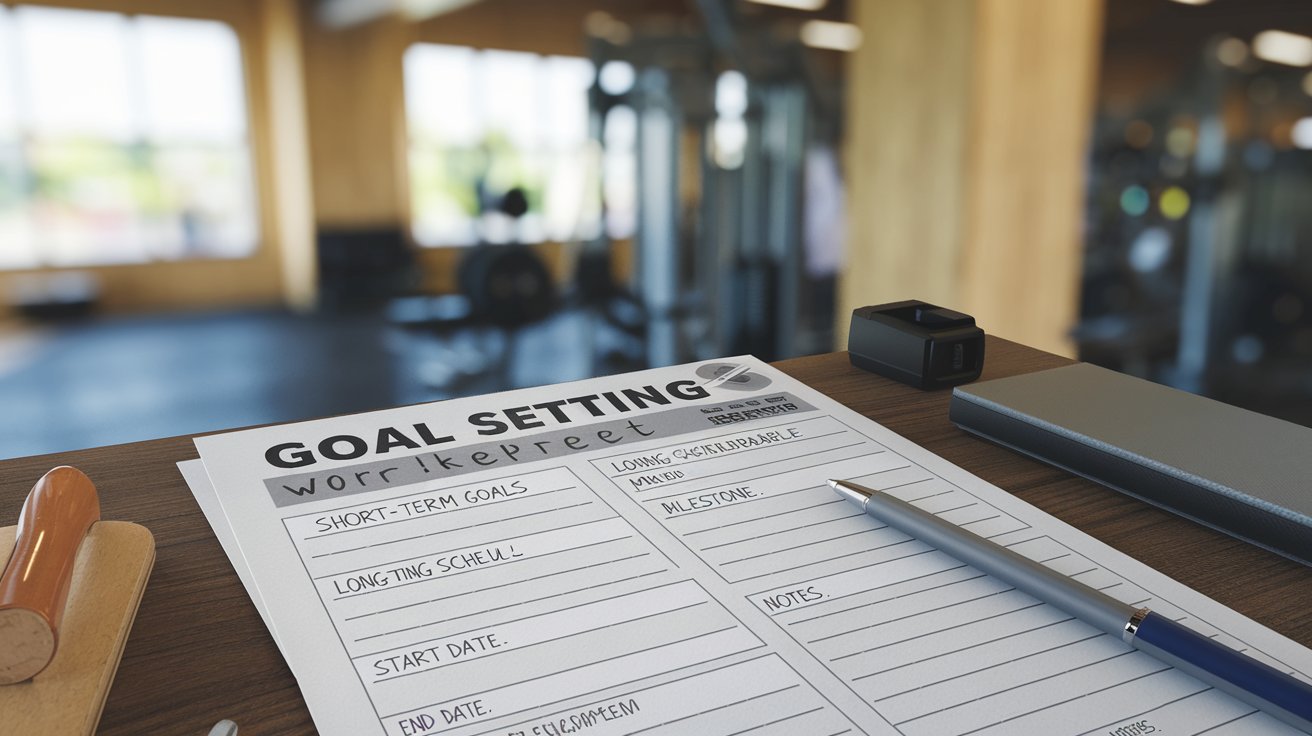
Athletes who use goal setting worksheets are 42% more likely to achieve their performance targets compared to those who don’t track their objectives systematically. A goal setting for athletes worksheet provides the structured framework needed to transform vague aspirations into concrete, measurable achievements. Whether you’re a high school competitor, collegiate athlete, or professional player, these tools help you define clear targets, track progress, and maintain motivation throughout your training journey.
What Is a Goal Setting Worksheet for Athletes
A goal setting worksheet for athletes is a structured document designed to help sports performers identify, organize, and track their athletic objectives through systematic planning. These worksheets typically include sections for short-term and long-term goals, action plans, timeline tracking, and progress evaluation metrics. Unlike generic planning tools, athlete-specific worksheets incorporate elements like performance benchmarks, competition schedules, training cycles, and recovery protocols that align with athletic development.
The most effective worksheets integrate the SMART goal framework (Specific, Measurable, Achievable, Relevant, Time-bound) customized for athletic contexts. They provide dedicated spaces for athletes to break down season-long objectives into weekly targets, identify potential obstacles, and develop contingency strategies. Research from the Journal of Applied Sport Psychology in 2025 showed that athletes using structured worksheets improved their goal attainment rates by 38% compared to informal goal-setting methods.
Benefits of Using Athletic Goal Setting Worksheets
Implementing a goal setting worksheet transforms athletic training from random effort into strategic development. These tools create accountability systems that keep athletes focused during challenging training periods and competitive seasons. By documenting objectives in writing, athletes activate the psychological principle of commitment consistency, making them significantly more likely to follow through on their planned actions.
Worksheets also provide valuable data for coaches and sports psychologists to monitor athlete development patterns. The documented progression reveals trends in performance improvement, identifies recurring obstacles, and highlights which strategies produce the best results for individual athletes. According to 2026 data from the National Association for Sport and Physical Education, teams using structured goal setting worksheets reported 29% higher season satisfaction rates and 33% better performance consistency compared to teams without formalized goal-tracking systems.
SMART Goal Setting Framework for Athletes
The SMART goal setting framework remains the gold standard for athletic performance planning in 2026, adapted specifically for sports contexts. This methodology ensures that athlete objectives are Specific (clearly defined performance metrics), Measurable (quantifiable progress indicators), Achievable (realistic given current skill levels), Relevant (aligned with overall athletic development), and Time-bound (assigned specific completion deadlines).
Creating Specific Athletic Goals
Specific goals in athletic contexts require precise performance metrics rather than vague aspirations. Instead of “get better at basketball,” a SMART goal would state “increase free throw percentage from 68% to 80% by end of season.” This specificity allows athletes to focus training efforts on exact skills requiring development. Top-performing athletes in 2026 studies demonstrated that highly specific goals led to 44% more targeted practice sessions compared to generalized objectives.
Establishing Measurable Progress Markers
Measurable components transform abstract goals into trackable data points that athletes can monitor throughout their development journey. A goal setting worksheet should include columns for baseline measurements, interim checkpoints, and final targets. For example, a track athlete might measure 400-meter sprint times weekly, recording improvements in a structured format that visualizes progress. Digital tracking tools integrated with worksheets in 2026 now provide real-time analytics that help athletes adjust strategies based on performance trends.
Essential Components of Athletic Goal Worksheets
Comprehensive goal setting worksheets for athletes include multiple interconnected sections that address different aspects of performance development. The most effective templates contain spaces for outcome goals (final achievements), performance goals (personal standards), and process goals (specific actions and techniques). This three-tier approach ensures athletes balance long-term aspirations with immediate controllable behaviors.
Short-Term and Long-Term Goal Sections
Effective worksheets distinguish between short-term goals (achievable within 1-12 weeks) and long-term objectives (spanning 6-24 months). This dual-timeline structure prevents athletes from becoming overwhelmed by distant targets while maintaining focus on immediate development needs. Research from the American College of Sports Medicine in 2026 indicates that athletes who maintain both timeline categories achieve 51% better adherence to training programs compared to those focusing exclusively on either immediate or distant goals.
Action Plan and Strategy Development Areas
The action plan section transforms goals from wishes into executable strategies by outlining specific steps, resources needed, and responsible parties. Athletes detail training methods, nutrition protocols, recovery strategies, and skill development approaches required to achieve their objectives. This section should also include obstacle anticipation, where athletes identify potential barriers and develop contingency plans. Top collegiate athletic programs in 2026 report that worksheets with detailed action planning sections produce 37% higher goal completion rates.
Free Goal Setting Worksheet Templates for Athletes
Numerous free goal setting worksheet PDF templates are available specifically designed for athletic contexts in 2026. These downloadable resources range from simple one-page formats suitable for youth athletes to comprehensive multi-page systems used by professional competitors. The USA Track and Field organization, National Strength and Conditioning Association, and American Sport Education Program all offer free templates tailored to different sports and skill levels.
The most popular free goal setting worksheets include the Performance Pyramid Template (organizing goals by hierarchy), the Quarterly Athletic Planner (dividing seasons into manageable segments), and the Competition Preparation Worksheet (focusing on event-specific objectives). Digital versions compatible with tablets and smartphones have become increasingly popular, with 67% of athletes under 25 preferring fillable PDF formats they can update electronically according to 2026 usage statistics.
How to Complete an Athletic Goal Setting Worksheet
Completing a goal setting worksheet effectively requires dedicated reflection time in a distraction-free environment. Athletes should begin by assessing current performance levels across relevant metrics, establishing honest baselines that serve as starting points for improvement targets. This self-evaluation phase typically takes 30-45 minutes and should involve reviewing recent competition results, training logs, and coach feedback.
The next phase involves writing goals using precise language and specific numbers. Rather than “improve endurance,” athletes write “complete 10K run in under 42 minutes by June 15, 2026.” Each goal should then be connected to 3-5 specific action steps that outline exactly how achievement will occur. The final step involves establishing check-in dates (typically weekly or bi-weekly) where progress is reviewed and adjustments are made based on actual results versus projected timelines.
Goal Setting Worksheets for Different Athletic Levels
Different competitive levels require customized goal setting approaches that match developmental stages and competitive contexts. Youth athletes benefit from simplified templates focusing on skill acquisition and enjoyment, while elite competitors need sophisticated systems tracking multiple performance variables simultaneously.
High School Athlete Worksheet Adaptations
High school athletes require goal setting worksheets that balance athletic development with academic responsibilities and social development. Templates for this level should include sections addressing scholarship objectives, multi-sport participation, and leadership development alongside performance metrics. The National Federation of State High School Associations recommends worksheets that emphasize process goals over outcome goals for this age group, as research shows 15-18 year old athletes respond better to controllable action-based targets rather than competition result-focused objectives.
Collegiate and Professional Athlete Templates
Collegiate and professional athletes benefit from comprehensive worksheet systems that integrate performance analytics, recovery metrics, nutrition tracking, and mental conditioning elements. These advanced templates often include sections for video analysis notes, strength and conditioning progressions, and sport psychology strategies. Data from the NCAA in 2026 shows that 84% of Division I athletic programs now require athletes to complete formal goal-setting worksheets at least quarterly, with many programs conducting monthly reviews using structured templates.
Integrating Mental Skills with Goal Setting Worksheets
Modern athletic goal setting worksheets increasingly incorporate mental skills development alongside physical performance objectives. Sections dedicated to visualization practice, self-talk strategies, and confidence-building exercises help athletes develop the psychological resilience necessary for high-level competition. Sport psychology research from 2025-2026 demonstrates that athletes who combine mental skills training with structured goal setting achieve 41% better performance under pressure compared to those focusing solely on physical preparation.
Effective worksheets include prompts for athletes to identify mental obstacles, develop pre-competition routines, and practice reframing negative thoughts into productive self-talk. The Association for Applied Sport Psychology recommends dedicating at least 25% of worksheet space to psychological preparation elements, reflecting the critical role mental conditioning plays in athletic success at all levels.
Tracking Progress and Adjusting Athletic Goals
Systematic progress tracking transforms goal setting worksheets from static documents into dynamic development tools. Athletes should review their worksheets at consistent intervals (typically weekly for short-term goals and monthly for long-term objectives), recording actual achievements against projected targets. This regular review process allows for early identification of goals that need modification due to injury, schedule changes, or faster-than-expected progress.
The adjustment process should be documented directly on worksheets, creating a historical record of how goals evolved throughout the competitive season. Research published in the Sport Psychology Quarterly in 2026 found that athletes who modified goals based on objective performance data maintained 58% higher motivation levels compared to those who rigidly adhered to original targets despite changing circumstances. Effective worksheets include designated spaces for recording adjustments, reasons for changes, and new timelines.
Digital vs. Printed Goal Setting Worksheets
The choice between digital and printed goal setting worksheets depends on individual athlete preferences and technological access. Digital formats offer advantages including automatic calculation features, cloud storage for easy access across devices, and integration with fitness tracking apps that automatically populate performance data. Popular platforms like TeamSnap, TrainingPeaks, and athletic-specific goal apps now offer customizable worksheet templates compatible with wearable technology.
However, printed PDF worksheets remain popular among athletes who prefer tangible documentation and the psychological benefits of handwriting goals. Studies on goal commitment show that physically writing objectives by hand activates different neural pathways than typing, potentially strengthening commitment levels. In 2026, approximately 54% of athletes use hybrid approaches, maintaining digital master copies while printing weekly or monthly segments for daily reference during training sessions.
Common Mistakes in Athletic Goal Setting Worksheets
The most frequent error athletes make when using goal setting worksheets is creating exclusively outcome-focused objectives without sufficient process goals. While winning championships or achieving specific competition placements provides motivation, these results depend partially on factors outside athlete control. Effective worksheets balance outcome goals with performance and process objectives that athletes can directly influence through daily actions and training decisions.
Another common mistake involves setting too many simultaneous goals, which dilutes focus and reduces achievement probability. Sport psychologists recommend limiting active goals to 3-5 primary objectives at any given time, with supporting sub-goals clearly linked to these main targets. Additionally, many athletes fail to establish realistic timelines, either setting unreasonably short deadlines that guarantee failure or overly generous timeframes that reduce urgency and motivation.
Related video about goal setting for athletes worksheet
This video complements the article information with a practical visual demonstration.
Frequently Asked Questions
What should be included in a goal setting worksheet for athletes?
A comprehensive goal setting worksheet for athletes should include sections for SMART goals (specific, measurable, achievable, relevant, time-bound), both short-term and long-term objectives, action plans with specific steps, progress tracking metrics, obstacle identification, and regular review schedules. Effective worksheets also incorporate mental skills components, recovery protocols, and spaces for coach feedback. The best templates distinguish between outcome goals (competition results), performance goals (personal standards), and process goals (daily controllable actions).
How often should athletes update their goal setting worksheets?
Athletes should review and update their goal setting worksheets on multiple timelines depending on goal type. Short-term process goals require weekly reviews to track daily training adherence and make immediate adjustments. Performance goals benefit from bi-weekly or monthly assessments comparing actual progress against projected timelines. Long-term outcome goals should be evaluated quarterly to ensure they remain relevant and appropriately challenging. Research from 2026 shows athletes who conduct structured weekly reviews achieve 47% better goal completion rates compared to those reviewing monthly or less frequently.
Where can I find free goal setting worksheets for athletes in PDF format?
Free goal setting worksheets for athletes in PDF format are available from numerous reputable sources including the National Strength and Conditioning Association, USA Track and Field, American Sport Education Program, and most national governing bodies for specific sports. Many collegiate athletic programs share their templates publicly, and organizations like the Positive Coaching Alliance offer free downloadable resources. Educational institutions and sports psychology associations also provide free PDF templates designed for different age groups and competitive levels, from youth athletes through professional competitors.
What is the difference between outcome, performance, and process goals in athletic worksheets?
Outcome goals focus on competition results like winning championships or placing in events, which depend partially on competitor performance. Performance goals establish personal standards independent of others, such as achieving specific times, distances, or skill execution levels. Process goals identify daily controllable behaviors like completing specific training sessions, following nutrition protocols, or practicing mental skills. Effective athletic worksheets include all three types, with approximately 20% outcome goals, 30% performance goals, and 50% process goals according to sport psychology best practices in 2026. This balance maintains motivation while emphasizing controllable factors.
How do SMART goals specifically apply to athletic performance worksheets?
SMART goals in athletic worksheets require Specific performance metrics (increase vertical jump by 4 inches), Measurable progress indicators (track weekly jump height tests), Achievable targets based on current abilities and training time available, Relevant objectives aligned with sport requirements and competitive level, and Time-bound deadlines (achieve by state championship date). Athletic applications differ from general SMART goals by incorporating sport-specific metrics, competition schedules, training periodization, and physical development timelines. The framework helps athletes create concrete targets rather than vague aspirations, with research showing SMART-formatted athletic goals have 63% higher achievement rates.
Can goal setting worksheets improve athletic performance measurably?
Yes, research consistently demonstrates that athletes using structured goal setting worksheets achieve measurably better performance outcomes. A 2025 meta-analysis published in the Journal of Applied Sport Psychology found that athletes using formal goal-setting systems improved performance by an average of 31% compared to control groups without structured planning. The American College of Sports Medicine reported in 2026 that teams implementing mandatory goal-setting worksheets showed 38% better season-long consistency and 42% higher athlete retention rates. The benefits stem from increased focus, better training adherence, enhanced motivation, and more effective progress monitoring.
| Worksheet Component | Key Elements | Performance Benefit |
|---|---|---|
| SMART Goal Framework | Specific metrics, measurable progress, realistic timelines | 63% higher achievement rates |
| Three-Tier Goal Structure | Outcome, performance, and process goals | Balanced focus on controllable factors |
| Action Planning Section | Specific steps, resources, obstacle strategies | 37% higher completion rates |
| Progress Tracking System | Weekly reviews, measurable checkpoints | 47% better goal attainment |
| Mental Skills Integration | Visualization, self-talk, confidence building | 41% improved pressure performance |
| Timeline Differentiation | Short-term (1-12 weeks) and long-term (6-24 months) | 51% better training adherence |