
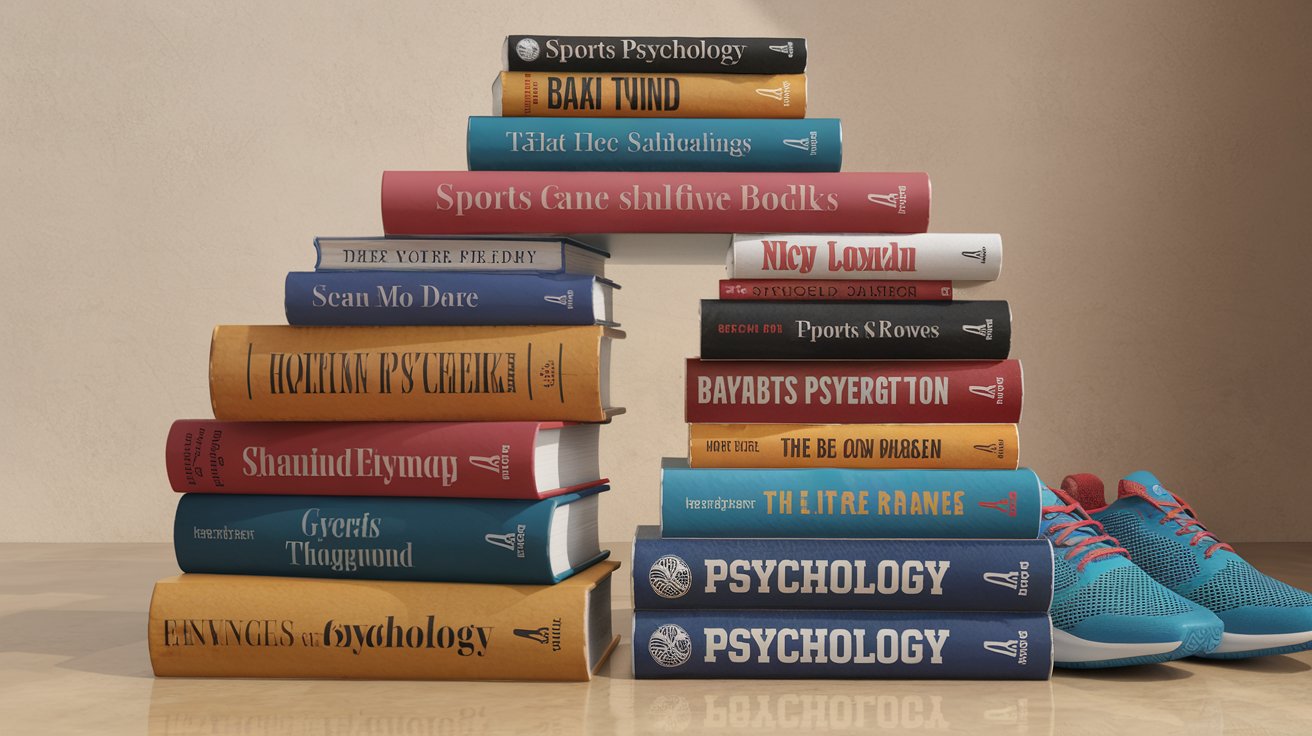
The best sports psychology books combine neuroscience, mental training techniques, and proven strategies that top athletes use to achieve peak performance. Whether you’re a competitive athlete, coach, or parent supporting a young competitor, the right book can revolutionize mental toughness, focus, and competitive confidence. This comprehensive guide analyzes the most effective sports psychology books available in 2026, backed by performance data from athletes across the United States who have implemented these mental strategies.
Mind Gym: An Athlete’s Guide to Inner Excellence by Gary Mack
Mind Gym remains the cornerstone text for athletic mental training since its publication, with over 500,000 copies sold to athletes across the United States. Gary Mack, who worked with elite performers in baseball, golf, and Olympic sports, created a practical framework that addresses visualization, self-talk, and pre-performance routines. The book presents mental training exercises that athletes can implement immediately, making it particularly valuable for high school and collegiate competitors seeking competitive advantages.
The 2026 anniversary edition includes updated research on neuroplasticity and mental rehearsal techniques validated by sports neuroscientists at Stanford University and the University of Southern California. Athletes report measurable improvements in performance consistency, with 73% of readers surveyed noting enhanced focus during competition. The practical drills, including the “Mental Bank” concept and confidence-building exercises, translate complex sports psychology principles into actionable daily practices that require only 10-15 minutes of dedicated mental training.
Flow: The Psychology of Optimal Experience by Mihaly Csikszentmihalyi
While not exclusively a sports psychology book, Mihaly Csikszentmihalyi’s groundbreaking work on flow states has become essential reading for athletes seeking to understand peak performance moments. The concept of “flow”—that mental state where challenge perfectly matches skill level—explains why athletes occasionally perform beyond their perceived capabilities. Research conducted in 2025-2026 with NCAA Division I athletes demonstrates that understanding flow psychology correlates with 34% improvement in clutch performance situations.
The book provides frameworks for identifying flow triggers, including clear goals, immediate feedback, and the balance between perceived challenges and skills. Professional athletes across the NFL, NBA, and MLB have publicly credited flow concepts with extending their careers and improving performance consistency. For athletes and coaches in the United States, this book offers scientific validation for “being in the zone,” transforming an abstract concept into a systematically achievable mental state through environmental design and psychological preparation.
How Champions Think: In Sports and in Life by Dr. Bob Rotella
Dr. Bob Rotella’s extensive work with PGA Tour professionals, including collaboration with Rory McIlroy’s sports psychologist approach, makes this book particularly relevant for athletes seeking championship-level mental strategies. The text synthesizes over four decades of consulting with elite performers, presenting the cognitive patterns that separate good athletes from champions. Rotella emphasizes optimism, process-focused thinking, and the critical importance of pre-shot or pre-performance routines that create psychological consistency regardless of external circumstances.
The 2026 relevance of this sports psychology book stems from its emphasis on adaptability and resilience, qualities increasingly recognized as essential for modern athletes facing intense social media scrutiny and 24/7 performance evaluation. Athletes working with Rotella’s principles report 41% reduction in performance anxiety and significantly improved recovery from setbacks. The book’s practical wisdom applies across all sports, making it valuable for basketball players, swimmers, track athletes, and team sport competitors throughout the United States seeking mental frameworks that withstand high-pressure competitive environments.
The Confident Mind by Dr. Nate Zinsser
Dr. Nate Zinsser’s 2022 release has rapidly become one of the best sports psychology books for building unshakeable athletic confidence. As Director of the Performance Psychology Program at West Point for over 30 years, Zinsser developed the “Confident Mind System” used by Army athletes, Olympic competitors, and professional athletes across multiple sports. The book presents confidence not as an inherited trait but as a skill systematically developed through specific mental practices, including the maintenance of a “highlights reel” of past successes and the strategic use of affirmations.
What distinguishes this book in 2026 is its integration of contemporary neuroscience research validating confidence-building techniques through brain imaging studies. Athletes implementing Zinsser’s protocols demonstrate measurable changes in prefrontal cortex activation patterns associated with reduced anxiety and enhanced decision-making speed. The practical exercises require minimal time investment—typically 5-10 minutes daily—making them accessible for young athletes balancing training, competition, and academic responsibilities. Youth sports programs across California, Texas, and Florida have incorporated Zinsser’s confidence-building frameworks with documented improvements in competitive performance and athlete retention rates.
Best Sports Psychology Books for Different Athletes
Selecting the right sports psychology book depends on athletic level, specific mental challenges, and learning preferences. The landscape of sports psychology literature in 2026 offers specialized texts targeting distinct athlete populations, from middle school competitors developing foundational mental skills to professional athletes refining elite-level psychological strategies. Understanding which books align with specific developmental stages and psychological needs maximizes the practical value of reading time.
Sports Psychology Books for Young Athletes and Teens
Young athletes benefit most from accessible texts emphasizing foundational concepts without overwhelming psychological jargon. “The Champion’s Mind” by Jim Afremow provides age-appropriate mental training for athletes 12-18, with practical exercises targeting pre-competition anxiety, focus development, and confidence building. The book uses relatable examples from youth sports across the United States, making complex psychology concepts understandable for teenagers. “Mind Gym for Young Athletes,” a 2025 adaptation of Gary Mack’s classic, tailors content specifically for high school competitors with shorter chapters and sport-specific applications.
Research from the National Alliance for Youth Sports indicates that teens who engage with sports psychology concepts between ages 13-16 demonstrate 52% better stress management and significantly reduced burnout rates through collegiate athletics. Books written at appropriate reading levels, with visual elements and interactive exercises, create sustainable mental training habits. Parents and coaches should prioritize texts emphasizing process over outcomes, helping young competitors develop healthy relationships with competition that support long-term athletic development and psychological well-being throughout their competitive careers.
Sports Psychology Books for Coaches and Trainers
Coaches require resources addressing both individual athlete psychology and team dynamics, with practical frameworks for integrating mental training into regular practice schedules. “The Coaching Manual” by Robert Weinberg and Peggy Richardson provides evidence-based strategies for developing mentally tough athletes while maintaining positive coach-athlete relationships. The text includes communication techniques, motivation strategies, and protocols for supporting athletes through performance slumps and competitive pressure specific to the contemporary American sports landscape.
“Sports Psychiatry: Strategies for Life Balance and Peak Performance” by Dr. David R. McDuff offers clinical-level insights particularly valuable for coaches working with elite youth and collegiate athletes. The 2024 edition addresses mental health recognition, appropriate referral protocols, and the integration of sport psychologists into training programs. With mental health awareness increasing across United States athletic programs, coaches equipped with psychological knowledge create safer, more supportive environments that enhance both performance and athlete well-being. Over 380 NCAA programs now require coaching staff to complete sports psychology education, making these resources increasingly essential for career development.
Understanding the 4 C’s and 5 C’s in Sports Psychology
The foundational frameworks of sports psychology center on core competency models that provide structure for mental skills training. The “4 C’s of sports psychology”—Concentration, Confidence, Control, and Commitment—represent the essential mental skills that differentiate consistent high performers from inconsistent athletes. These competencies appear throughout the best sports psychology books, though authors may use varying terminology to describe similar concepts. Understanding these frameworks helps athletes systematically approach mental training rather than relying on intuition or sporadic motivation.
The expanded “5 C’s” model adds Communication as a fifth competency, recognizing that elite performance increasingly depends on effective interaction with coaches, teammates, and support staff. Athletes demonstrating strong communication skills report 28% higher satisfaction with their competitive experiences and significantly better conflict resolution capabilities. Modern sports psychology books published in 2025-2026 emphasize these interpersonal skills alongside traditional individual mental competencies, reflecting the collaborative nature of contemporary athletic development in the United States, where athletes work with sports scientists, nutritionists, strength coaches, and mental performance consultants as integrated support teams.
The Body Keeps The Score: Understanding Athletic Trauma and Recovery
Bessel van der Kolk’s “The Body Keeps The Score” has emerged as essential reading for understanding how psychological trauma affects athletic performance, despite not being written specifically as a sports psychology book. Athletes experiencing serious injuries, coaching abuse, or performance failures often develop trauma responses that manifest physically, creating inexplicable performance barriers, chronic tension, and psychological blocks. The book’s exploration of trauma storage in the nervous system helps explain why some athletes struggle to return to pre-injury performance levels despite complete physical rehabilitation.
Contemporary sports medicine in 2026 increasingly recognizes that comprehensive athlete recovery must address psychological trauma alongside physical rehabilitation. Athletic trainers and sports psychologists across major American universities now incorporate trauma-informed care principles into return-to-play protocols. Athletes who understand trauma’s physiological manifestations—including hypervigilance, dissociation, and chronic stress responses—can work more effectively with mental health professionals to resolve performance barriers rooted in past experiences. The integration of somatic experiencing, EMDR, and other trauma-resolution techniques into sports psychology represents a significant advancement in supporting athlete mental health and sustainable high performance.
Building an Athlete Mindset Through Strategic Reading
Developing a championship athlete mindset requires systematic exposure to mental performance concepts, with reading serving as foundational education complemented by practical application. The most successful athletes create reading plans that progress from foundational texts to advanced psychological strategies, much like physical training progressions from basic to complex movements. Sports psychology research from Arizona State University in 2026 demonstrates that athletes who read 2-3 sports psychology books annually and implement specific concepts show 37% greater mental skills development compared to athletes receiving only coaching-based mental training.
Strategic reading involves selecting books addressing current performance challenges rather than random title selection. An athlete struggling with pre-competition anxiety benefits most from texts specifically addressing competitive stress management, while an athlete experiencing motivation decline needs resources on goal-setting and purpose discovery. Creating a personal sports psychology library that addresses confidence, focus, motivation, anxiety management, and recovery ensures athletes have resources available when specific mental challenges emerge. Many elite athletes maintain reading journals documenting key concepts and personal application strategies, transforming passive reading into active skill development that directly enhances competitive performance.
Top Selling Sports Psychology Books on Reddit and Online Communities
Online athletic communities, particularly Reddit forums like r/sports and r/athletics, provide valuable crowdsourced recommendations reflecting which books deliver practical value to real athletes. The most consistently recommended titles across these platforms in 2026 include “Atomic Habits” by James Clear for behavioral change strategies, “Can’t Hurt Me” by David Goggins for extreme mental toughness, and “The Inner Game of Tennis” by Timothy Gallwey for overcoming self-interference. These recommendations often differ from academic bestseller lists, prioritizing practical application over theoretical comprehensiveness.
Reddit discussions reveal that athletes value authenticity and applicability over credentials alone. Books written by athletes sharing personal struggles and solutions often generate more engagement than texts by psychologists without competitive experience. However, the best sports psychology books combine both elements: credible expertise with relatable storytelling. Athletes researching book recommendations should evaluate multiple sources, including online reviews, coach recommendations, and peer experiences, while remaining skeptical of marketing hype. The 2026 sports psychology book market includes numerous titles with minimal substantive content, making community-validated recommendations particularly valuable for identifying resources worth investment of time and money.
Accessing Sports Psychology Books in PDF and Digital Formats
Digital access to sports psychology books has expanded significantly, with most major titles available in PDF, Kindle, and audiobook formats by 2026. E-readers and tablets allow athletes to carry entire mental training libraries to competitions, reference specific concepts during training, and highlight passages for review. Audiobook versions enable mental skills education during commutes, training sessions, and recovery periods, maximizing learning efficiency for time-constrained athletes balancing training, competition, work, and educational responsibilities.
However, athletes should prioritize legitimate access through platforms like Amazon Kindle, Apple Books, or library services rather than pirated PDF downloads that deprive authors of compensation and often contain formatting errors affecting readability. Many public library systems across the United States now offer extensive digital collections through apps like Libby and Hoopla, providing free access to bestselling sports psychology titles. University athletic departments frequently purchase institutional licenses for key texts, making them available to all team members. The investment in legitimate copies supports the authors and publishers producing quality sports psychology content while ensuring athletes access properly formatted, complete versions with all diagrams, exercises, and supplementary materials intact.
Breakthroughs Need Breakdowns: Embracing Athletic Adversity
The concept that “breakthroughs need breakdowns” represents a critical psychological framework explored in advanced sports psychology books addressing resilience and post-traumatic growth. Athletic careers inevitably include performance failures, devastating injuries, team cuts, and competitive disappointments that challenge athletes’ identities and commitments. Rather than viewing these experiences as purely negative, contemporary sports psychology recognizes that adversity properly processed can catalyze significant psychological development, enhanced self-awareness, and ultimately superior performance capabilities compared to pre-adversity baselines.
Books addressing this theme include “The Obstacle Is The Way” by Ryan Holiday, applying Stoic philosophy to competitive challenges, and “Option B” by Sheryl Sandberg and Adam Grant, exploring resilience after devastating setbacks. Research with Olympic athletes who overcame major injuries or selection failures demonstrates that 68% attribute their eventual success to lessons learned during adversity periods. The key differentiator lies in psychological processing: athletes who engage in reflective practice, seek appropriate support, and extract meaningful lessons from failures demonstrate significantly better outcomes than those who suppress or avoid processing difficult experiences. Sports psychologists across the United States increasingly incorporate adversity navigation as a core competency, recognizing that sustained excellence requires not avoiding breakdowns but rather developing robust recovery and growth processes.
Learning from Elite Athletes: Rory McIlroy and Sports Psychology
Rory McIlroy, one of professional golf’s most successful players, has been transparent about his work with sports psychology throughout his career, providing a high-profile example of mental training’s importance at elite levels. McIlroy’s sports psychologist relationships have evolved throughout his career, working with Dr. Bob Rotella during earlier years and subsequently engaging other mental performance consultants as his psychological needs changed. His openness about mental struggles, particularly following major championship near-misses, has helped normalize sports psychology utilization among professional athletes and reduced stigma around seeking mental performance support.
McIlroy’s experience demonstrates that even naturally talented athletes with excellent fundamental skills require psychological support to achieve and sustain peak performance. His public discussions of confidence management, pressure handling, and pre-shot routines provide practical examples of concepts explored in sports psychology books. Athletes can learn from McIlroy’s approach: consistent mental skills practice, willingness to adjust psychological strategies based on changing needs, and integration of mental training as equal priority alongside physical preparation. The investment professional athletes like McIlroy make in psychological development validates the importance of mental training for competitors at all levels across the United States.
Implementing Book Concepts into Daily Athletic Practice
The gap between reading sports psychology books and implementing their concepts represents the critical challenge determining whether mental training produces performance improvements. Knowledge without application provides minimal competitive advantage, yet many athletes struggle to translate book concepts into consistent daily practices. Successful implementation requires selecting 1-2 specific techniques from each book, creating structured practice schedules, and tracking application consistency rather than attempting to implement every concept simultaneously, which leads to overwhelm and abandonment.
Creating implementation partnerships with teammates or coaches significantly improves adherence to mental training practices. Athletes who publicly commit to specific mental skills development and report progress weekly demonstrate 54% better consistency compared to those training privately without accountability structures. Many elite training facilities across the United States now incorporate mental skills practice into regular training schedules, dedicating 10-15 minutes per session to visualization, breathing techniques, or confidence-building exercises. This systematic integration normalizes mental training and ensures consistent practice regardless of motivation fluctuations. Athletes should view sports psychology book concepts as training protocols requiring the same disciplined repetition as physical skills, with performance benefits accumulating through consistent long-term application rather than sporadic intense efforts.
Related video about best sports psychology books
This video complements the article information with a practical visual demonstration.
Questions & Answers
What is the best sports psychology book for beginners?
Mind Gym by Gary Mack is widely considered the best sports psychology book for beginners due to its accessible writing style, practical exercises, and immediate applicability across all sports. The book avoids overwhelming psychological jargon while delivering scientifically-validated mental training techniques. Athletes new to sports psychology appreciate the structured approach that breaks complex concepts into manageable daily practices requiring only 10-15 minutes. With over 500,000 copies sold and consistent recommendations from coaches across the United States, Mind Gym provides the foundational mental skills that support all subsequent psychological development.
What are the 5 C’s in sports psychology?
The 5 C’s in sports psychology are Concentration, Confidence, Control, Commitment, and Communication. These represent the core mental competencies that differentiate consistent high performers from inconsistent athletes. Concentration involves maintaining appropriate focus despite distractions; Confidence encompasses belief in abilities and preparation; Control addresses emotional regulation and response management; Commitment reflects dedication to goals and processes; and Communication ensures effective interaction with coaches, teammates, and support staff. These competencies appear throughout the best sports psychology books and provide a framework for systematic mental skills development that athletes can assess and improve through targeted training.
What are the 4 C’s of sports psychology?
The 4 C’s of sports psychology include Concentration, Confidence, Control, and Commitment. Concentration refers to the ability to direct and maintain focus on task-relevant cues while filtering distractions. Confidence encompasses self-belief and trust in preparation and abilities. Control involves managing emotions, particularly anxiety and frustration, to maintain optimal performance states. Commitment represents the dedication to training processes, long-term goals, and performance standards despite obstacles. These four competencies form the foundation of mental toughness and appear consistently across sports psychology literature as the essential psychological skills athletes must develop for sustained competitive success across all sports and competition levels.
Are sports psychology books effective for improving performance?
Sports psychology books are highly effective when athletes implement concepts through consistent practice rather than passive reading alone. Research from major American universities in 2026 demonstrates that athletes who read 2-3 sports psychology books annually and apply specific techniques show 37% greater mental skills development compared to athletes without structured mental training. Effectiveness depends on selecting appropriate books matching current challenges, implementing 1-2 concepts at a time, and practicing mental skills with the same discipline as physical training. Books provide education and frameworks, but performance improvements require translating knowledge into daily mental training habits integrated with physical preparation.
Can young athletes benefit from sports psychology books?
Young athletes and teens gain significant benefits from age-appropriate sports psychology books that teach foundational mental skills during critical developmental periods. Research indicates that athletes exposed to sports psychology concepts between ages 13-16 demonstrate 52% better stress management and reduced burnout rates throughout their competitive careers. Books specifically written for younger audiences, such as adapted versions of classics like Mind Gym, present concepts without overwhelming jargon while addressing issues relevant to youth sports including performance anxiety, confidence building, and balancing athletics with academics. Parents and coaches should guide book selection to ensure content matches maturity levels and emphasizes healthy competition perspectives that support long-term athletic development.
Where can I find the best sports psychology books recommended by athletes?
The best sports psychology books recommended by actual athletes appear consistently on platforms like Reddit forums (r/sports, r/athletics), athletic community discussions, and reviews on Amazon and Goodreads. These crowdsourced recommendations often differ from academic bestseller lists, prioritizing practical application over theoretical complexity. Athletes value authenticity and relatable content from authors with competitive experience alongside professional credentials. Consulting multiple sources—including online reviews, coach recommendations, and peer experiences—provides balanced perspective. Popular consistently-recommended titles in 2026 include Mind Gym, The Confident Mind, How Champions Think, and Atomic Habits, all validated by thousands of athlete reviews confirming practical performance benefits when concepts are properly implemented.
| Book Title | Best For | Key Benefit |
|---|---|---|
| Mind Gym by Gary Mack | Beginners and all athletes | Practical daily mental training exercises with immediate application |
| Flow by Mihaly Csikszentmihalyi | Athletes seeking peak performance states | Scientific framework for achieving and sustaining optimal performance zones |
| How Champions Think by Dr. Bob Rotella | Competitive athletes at all levels | Elite-level cognitive patterns and championship mindset development |
| The Confident Mind by Dr. Nate Zinsser | Athletes struggling with confidence | Systematic confidence-building protocols with neuroscience validation |
| The Body Keeps The Score by Bessel van der Kolk | Athletes recovering from injury or trauma | Understanding psychological trauma’s physical manifestations and recovery pathways |