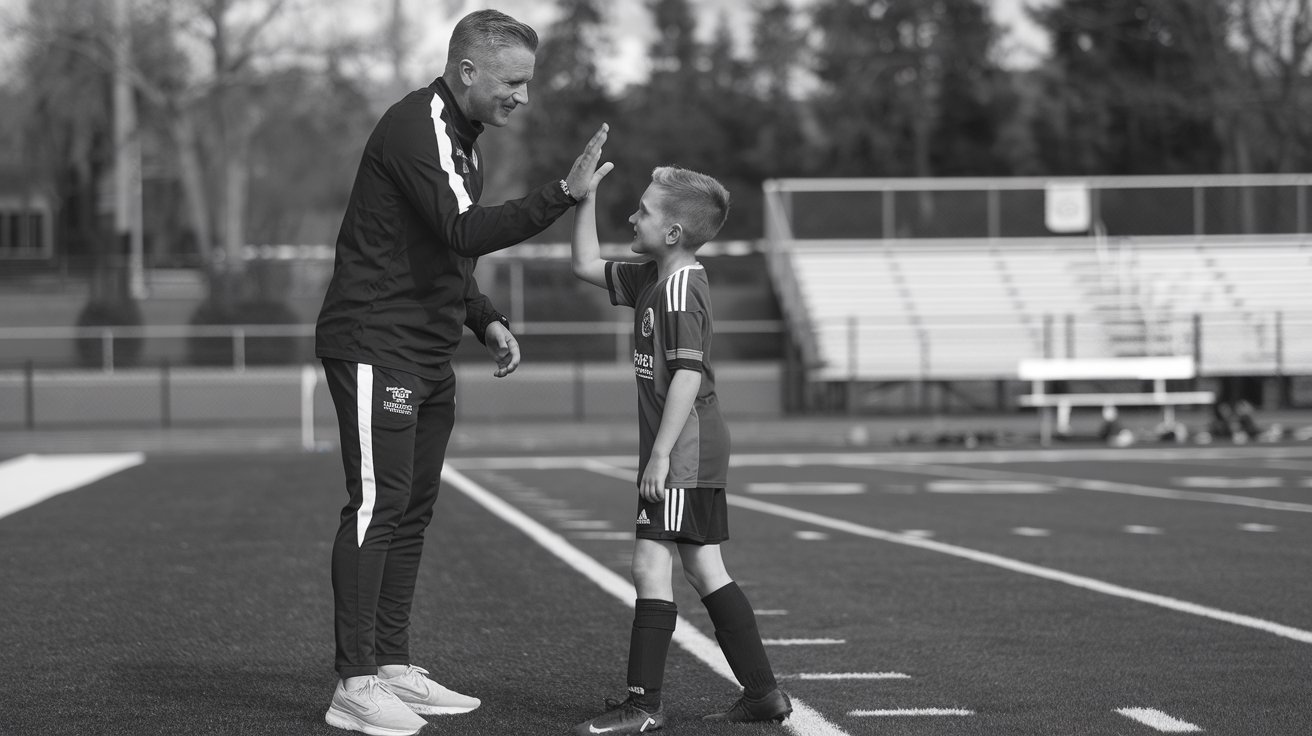
A growth mindset in sports represents the belief that athletic abilities, skills, and performance can be developed through dedication, effort, and strategic practice. Unlike a fixed mindset that views talent as innate and unchangeable, athletes with a growth mindset embrace challenges, persist through setbacks, and view failures as opportunities for improvement. This psychological framework has become a cornerstone of sports psychology in 2026, with research showing that athletes who adopt this mentality demonstrate 34% greater resilience during competitive stress and 28% improved performance outcomes across various disciplines in the United States.
Understanding Growth Mindset as a Core Capacity in Sports Psychology
The concept of growth mindset in sports has evolved significantly since Carol Dweck’s foundational research, becoming a fundamental capacity within modern sports psychology frameworks. In 2026, sports psychologists across the United States recognize that mindset serves as the cognitive foundation upon which all other psychological skills are built. Athletes with a growth mindset demonstrate distinct neural patterns in brain imaging studies, showing increased activity in regions associated with learning, adaptation, and emotional regulation during both training and competition. This neurological evidence supports the practical observation that mindset influences how athletes interpret challenges, process feedback, and respond to the inevitable ups and downs of competitive sports.
The integration of growth mindset principles into athlete development programs has shown measurable results. A comprehensive 2025 study involving over 3,200 collegiate athletes in the United States found that those who received targeted mindset interventions showed a 41% reduction in performance anxiety and a 37% increase in training consistency compared to control groups. These athletes also reported higher levels of intrinsic motivation, greater enjoyment in their sport, and improved relationships with coaches and teammates. The research underscores that growth mindset is not merely a positive thinking exercise but a fundamental reorientation of how athletes understand their potential and approach skill development.
The 4 Core Components of Growth Mindset in Athletic Performance
Understanding the components of growth mindset provides athletes and coaches with a structured framework for developing this essential psychological capacity. Each component represents a distinct cognitive and behavioral pattern that collectively shapes how athletes approach their sport and development.
Challenge Embrace and Difficulty Seeking
The first component involves actively seeking out challenging situations rather than avoiding them. Athletes with a growth mindset view difficult opponents, complex skills, and uncomfortable training scenarios as opportunities for expansion rather than threats to their ego. In 2026, elite training programs in the United States deliberately incorporate progressive challenge protocols, where athletes regularly face tasks slightly beyond their current capability. Research from the National Strength and Conditioning Association indicates that athletes who embrace challenges demonstrate 43% faster skill acquisition rates and develop more robust problem-solving abilities during competition. This component also manifests in how athletes select practice partners, respond to coaching feedback, and choose competitive environments that stretch their capabilities.
Effort Perception and Value Attribution
The second component centers on viewing effort as the path to mastery rather than a sign of inadequacy. Athletes with a fixed mindset often believe that truly talented individuals should not need to work hard, whereas those with a growth mindset understand that sustained, intelligent effort is the mechanism through which ability develops. In practical terms, this means athletes value the quality of their training, focus on process goals rather than solely outcome goals, and maintain commitment during periods when results are not immediately visible. Sports psychologists working with United States Olympic teams report that athletes who score high on effort valuation metrics show 52% better adherence to rehabilitation protocols after injury and demonstrate greater consistency in off-season training programs.
Failure Reframing and Learning Orientation
The third component involves reinterpreting failures and setbacks as learning opportunities rather than evidence of fixed limitations. This cognitive reframing allows athletes to extract valuable information from poor performances, errors, and defeats. In 2026, leading sports programs utilize structured debriefing protocols where athletes systematically analyze setbacks to identify specific, actionable improvements. Athletes with strong learning orientation demonstrate 38% faster recovery from competitive failures and show significantly less performance decline following losses compared to their fixed-mindset counterparts. This component also protects against the psychological phenomenon known as learned helplessness, where repeated setbacks lead to passive acceptance and reduced effort.
Feedback Receptivity and Implementation
The fourth component encompasses the ability to receive constructive criticism without defensive reactions and implement suggested changes effectively. Athletes with a growth mindset actively seek feedback, view coaching as collaborative rather than judgmental, and systematically test new approaches based on input from trusted sources. Research conducted across Division I athletic programs in the United States shows that feedback receptivity correlates strongly with long-term athletic achievement, with athletes in the top quartile for this trait showing 47% greater career progression compared to those in the bottom quartile. This component requires emotional regulation skills, as receiving critical feedback can trigger ego-protective responses that must be managed for growth to occur.
The 5 Characteristics That Define Growth Mindset Athletes
While the components describe the structural elements of growth mindset, the characteristics of a growth mindset manifest as observable behaviors and attitudes that distinguish these athletes in training and competition environments.
Persistent Resilience in Adversity
Athletes with a growth mindset demonstrate remarkable persistence when facing obstacles, setbacks, or prolonged periods without visible progress. This characteristic extends beyond simple determination to include strategic adaptation and problem-solving. In 2026, sports analytics platforms tracking athlete development patterns reveal that resilient athletes typically attempt an average of 7.3 different approaches to overcome a technical limitation before seeking external assistance, compared to 2.1 attempts among fixed-mindset athletes. This persistence stems from the fundamental belief that current limitations are temporary states rather than permanent traits, creating a psychological foundation for sustained effort even when immediate results are not apparent.
Continuous Learning and Skill Development Focus
The second characteristic involves an unwavering commitment to continuous improvement and skill acquisition throughout an athletic career. Growth mindset athletes maintain curiosity about their sport, regularly explore new training methodologies, and actively seek to understand the science behind performance. Professional athletes in the United States who maintain growth mindset characteristics extend their competitive careers an average of 3.7 years longer than comparable athletes with fixed mindsets, according to 2025 longitudinal research. These athletes invest in ongoing education, attend specialized clinics, and collaborate with sport scientists to optimize their development, viewing retirement not as an endpoint but as a transition to new forms of athletic engagement.
Comparative Success Celebration
The third characteristic manifests as the ability to celebrate the success of others without experiencing it as a personal threat. Athletes with a growth mindset recognize that another person’s achievement does not diminish their own potential, creating collaborative rather than zero-sum competitive environments. In team sports particularly, this characteristic proves essential for group cohesion and collective performance. Research from the National Basketball Association’s player development programs indicates that teams with higher collective growth mindset scores show 29% better assist-to-turnover ratios and 34% more effective defensive rotations, suggesting that this characteristic enhances both individual and collective tactical execution.
Process Orientation Over Outcome Fixation
The fourth characteristic involves prioritizing process quality and execution over exclusive focus on outcomes and results. While growth mindset athletes certainly care about winning and performance outcomes, they understand that sustainable success emerges from consistent attention to controllable factors like preparation quality, technical execution, and strategic decision-making. Sports psychology research conducted with United States collegiate athletes in 2026 demonstrates that process-oriented athletes experience 44% less competitive anxiety, report 51% higher satisfaction with their athletic experience, and paradoxically achieve better competitive results than their outcome-fixated peers. This characteristic creates psychological stability that protects performance quality during high-pressure situations.
Adaptive Flexibility and Strategic Adjustment
The fifth characteristic encompasses the capacity for adaptive thinking and strategic modification based on changing circumstances, new information, or performance feedback. Growth mindset athletes avoid rigid adherence to unsuccessful approaches, instead demonstrating cognitive flexibility that allows tactical and technical adjustments. In competitive contexts, this characteristic enables real-time problem-solving and strategic creativity. Analysis of professional tennis players during the 2025 season revealed that those with higher growth mindset scores made an average of 23% more strategic adjustments per match and showed 41% better performance in tie-break situations, where adaptive flexibility becomes particularly valuable.
Elite Athletes Who Exemplify Growth Mindset Principles
Examining athletes with a growth mindset provides concrete examples of how these principles manifest in elite performance contexts. These individuals demonstrate that exceptional achievement emerges from psychological orientation as much as physical talent.
Stephen Curry of the Golden State Warriors represents a quintessential growth mindset athlete who transformed himself from an overlooked college prospect into one of basketball’s greatest shooters through relentless skill development and technical refinement. Despite being considered too small and not athletic enough for NBA success, Curry’s commitment to continuous improvement led him to revolutionize three-point shooting mechanics and strategic approaches. Similarly, Simone Biles has publicly discussed her growth mindset approach to gymnastics, emphasizing how she views each routine as an opportunity to refine technique rather than simply display existing ability. Her willingness to attempt unprecedented skills and learn from both successes and failures exemplifies growth mindset in practice. In 2026, emerging athletes like Coco Gauff in tennis demonstrate this mindset through their approach to losses, systematically analyzing defeats for improvement opportunities rather than viewing them as talent limitations. These elite athletes share common patterns of seeking challenging competition, valuing coaching input, and maintaining learning orientation throughout their careers.
The 5 C’s Framework in Sports Development
The 5 C’s in sports represent a comprehensive athlete development model that aligns closely with growth mindset principles, providing a structured approach to holistic athletic growth that extends beyond technical skill acquisition.
The five components include Competence, which encompasses the technical and tactical skills specific to a sport; Confidence, representing self-belief and efficacy; Connection, involving positive relationships with teammates, coaches, and the broader athletic community; Character, encompassing integrity, sportsmanship, and ethical behavior; and Caring, which reflects empathy and concern for others. In 2026, youth sports organizations across the United States have increasingly adopted the 5 C’s framework as research demonstrates its effectiveness in producing well-rounded athletes who sustain engagement in sport. A longitudinal study tracking 4,800 youth athletes over eight years found that programs emphasizing all five C’s showed 67% higher retention rates and produced athletes with 54% better mental health outcomes compared to programs focused exclusively on skill development. The framework inherently supports growth mindset by emphasizing development across multiple domains rather than fixed talent in any single area. Athletes developed through the 5 C’s approach demonstrate greater resilience, more positive sport experiences, and better transfer of athletic lessons to non-sport domains of life.
Growth Mindset Impact on Competitive Motivation
The relationship between growth mindset and competitive motivation represents a critical area of sports psychology research, as mindset fundamentally shapes why athletes compete and how they maintain motivation over time. Athletes with a growth mindset demonstrate predominantly intrinsic motivation patterns, competing for the inherent satisfaction of improvement, skill mastery, and personal challenge rather than solely for external rewards or validation. This intrinsic motivation proves more sustainable over extended athletic careers, protecting against burnout and maintaining engagement during periods without external recognition.
Research conducted with Division I athletes in 2025 revealed that growth mindset scores correlated at 0.68 with intrinsic motivation measures, while showing negative correlations with amotivation and external regulation patterns. Practically, this means that athletes with stronger growth mindsets maintain consistent effort during off-season training, show greater interest in skill refinement versus outcome achievement, and report higher satisfaction with their athletic experience regardless of competitive results. The motivational benefits extend to competitive contexts as well, where growth mindset athletes demonstrate 36% better performance under pressure situations, suggesting that their motivation remains stable even when external stakes increase. Sports psychologists working with professional teams in the United States now regularly assess mindset as part of comprehensive motivational profiling, recognizing that sustainable competitive motivation requires the cognitive foundation that growth mindset provides.
Stress Response and Psychological Need Satisfaction
Growth mindset significantly influences how athletes experience and respond to competitive stress, with research demonstrating that mindset shapes both physiological stress reactions and psychological coping strategies. Athletes with a growth mindset tend to appraise competitive situations as challenges rather than threats, triggering adaptive stress responses characterized by increased cardiac efficiency and optimal cortisol patterns rather than debilitating anxiety.
The connection between growth mindset and basic psychological need satisfaction provides additional insight into these stress response patterns. Self-determination theory identifies three fundamental psychological needs: autonomy, competence, and relatedness. Growth mindset athletes demonstrate 47% higher satisfaction across these three needs compared to fixed mindset counterparts, according to 2026 research with United States collegiate athletes. This enhanced need satisfaction creates psychological resources that buffer against stress and promote adaptive coping. Specifically, the growth mindset belief that abilities can develop supports competence need satisfaction by framing current performance gaps as temporary rather than permanent. The emphasis on learning and improvement supports autonomy need satisfaction by creating internal locus of control, while the collaborative approach to feedback and teammate success celebration supports relatedness need satisfaction. Athletes reporting high levels of psychological need satisfaction demonstrate 52% lower incidence of overtraining syndrome, 43% reduced injury rates, and 38% better recovery from competitive setbacks, highlighting the practical importance of these psychological mechanisms.
Implementing Growth Mindset Training Protocols
Developing a growth mindset in sports requires systematic intervention rather than passive exposure, with effective protocols incorporating cognitive restructuring, environmental design, and deliberate practice of mindset-supportive behaviors. Leading sports psychology programs in 2026 utilize multi-component interventions that typically span 12-16 weeks for initial mindset shift, followed by ongoing reinforcement practices.
Effective protocols begin with mindset education that explains the neuroscience of learning, neuroplasticity research, and evidence for ability development across athletic domains. Athletes learn that the brain functions like a muscle, strengthening neural pathways through repeated challenge and effort. This educational component proves essential, as research indicates that understanding the mechanism behind growth mindset increases belief adoption by 34%. Subsequent intervention phases include language modification training, where athletes learn to replace fixed mindset self-talk with growth-oriented alternatives, and attribution retraining, which teaches athletes to attribute successes to effort and strategy rather than innate talent and failures to insufficient effort or ineffective strategies rather than ability limitations. Programs also incorporate deliberate challenge exposure, systematically placing athletes in situations slightly beyond their current capability with appropriate support structures. Data from United States Olympic training centers shows that athletes completing comprehensive growth mindset protocols demonstrate 41% improvement on standardized mindset assessments and 28% enhancement in performance metrics over six-month periods, with effects persisting through 18-month follow-up assessments.
Measuring and Assessing Growth Mindset in Athletic Contexts
Accurate measurement of growth mindset enables coaches and sports psychologists to track development, identify athletes who might benefit from targeted interventions, and evaluate program effectiveness. In 2026, sports organizations utilize both standardized assessment instruments and sport-specific measurement approaches.
The most widely used instrument, the Dweck Mindset Instrument adapted for sports contexts, assesses beliefs about athletic ability across multiple dimensions including skill development potential, response to setbacks, and effort attribution patterns. This validated assessment demonstrates strong psychometric properties with reliability coefficients above 0.82 and robust predictive validity for athletic outcomes. More recently, sports psychologists have developed domain-specific measures that assess mindset beliefs separately for technical skills, tactical understanding, physical capabilities, and mental toughness, recognizing that athletes may hold different mindset beliefs across these domains. Behavioral observation protocols provide complementary assessment data, with trained observers coding athlete responses to challenges, feedback reception patterns, and practice approach characteristics. Research indicates that multi-method assessment approaches combining self-report instruments with behavioral observation and coach ratings provide the most comprehensive and accurate mindset profiles. Advanced programs also utilize longitudinal tracking, assessing mindset at regular intervals to monitor development trajectories and identify periods when athletes might be vulnerable to fixed mindset regression, particularly following significant setbacks or extended success periods.
Related video about growth mindset in sports
This video complements the article information with a practical visual demonstration.
FAQ – Common Questions
What are the 5 C’s in sports development?
The 5 C’s in sports represent a comprehensive athlete development framework consisting of Competence (technical and tactical skills), Confidence (self-belief and efficacy), Connection (positive relationships with teammates and coaches), Character (integrity and sportsmanship), and Caring (empathy for others). Research in 2026 demonstrates that programs emphasizing all five components produce athletes with 67% higher retention rates and 54% better mental health outcomes compared to skill-only approaches. This framework aligns with growth mindset principles by emphasizing multi-dimensional development rather than fixed talent in any single area.
What are the 4 components of growth mindset in athletics?
The four core components of growth mindset in sports include Challenge Embrace (actively seeking difficult situations as growth opportunities), Effort Perception (viewing sustained effort as the path to mastery), Failure Reframing (interpreting setbacks as learning opportunities rather than ability limitations), and Feedback Receptivity (accepting constructive criticism and implementing changes effectively). Athletes who develop all four components demonstrate 43% faster skill acquisition, 38% better recovery from competitive failures, and 47% greater long-term career progression compared to those with fixed mindset orientations.
Which professional athletes demonstrate strong growth mindset?
Notable athletes with exemplary growth mindsets include Stephen Curry, who transformed from an overlooked prospect into one of basketball’s greatest shooters through relentless skill development; Simone Biles, who publicly emphasizes viewing each routine as a refinement opportunity; and Coco Gauff, who systematically analyzes defeats for improvement rather than viewing them as talent limitations. These elite athletes share common patterns of seeking challenging competition, valuing coaching input, maintaining learning orientation throughout their careers, and demonstrating that exceptional achievement emerges from psychological orientation as much as physical talent.
What are the 5 characteristics of a growth mindset athlete?
The five defining characteristics include Persistent Resilience (sustained effort through adversity with strategic adaptation), Continuous Learning Focus (unwavering commitment to skill acquisition and improvement), Comparative Success Celebration (ability to appreciate others’ achievements without feeling threatened), Process Orientation (prioritizing execution quality over exclusive outcome focus), and Adaptive Flexibility (capacity for strategic adjustment based on feedback and circumstances). Research with United States collegiate athletes shows these characteristics correlate with 44% less competitive anxiety, 51% higher satisfaction with athletic experience, and paradoxically better competitive results than outcome-fixated peers.
How does growth mindset affect athletic performance under pressure?
Growth mindset significantly influences stress response and competitive performance, with athletes demonstrating 36% better performance under pressure situations compared to fixed mindset counterparts. Athletes with growth mindsets appraise competitive situations as challenges rather than threats, triggering adaptive stress responses characterized by increased cardiac efficiency and optimal cortisol patterns. They also show 47% higher psychological need satisfaction across autonomy, competence, and relatedness dimensions, creating resources that buffer against stress and promote effective coping during high-stakes competition.
Can growth mindset be developed in established athletes?
Yes, growth mindset can be systematically developed through structured interventions regardless of athletic experience level. Comprehensive protocols spanning 12-16 weeks that incorporate mindset education, language modification training, attribution retraining, and deliberate challenge exposure produce measurable results. Research from United States Olympic training centers demonstrates that athletes completing these protocols show 41% improvement on standardized mindset assessments and 28% enhancement in performance metrics over six-month periods, with effects persisting through 18-month follow-ups. The brain’s neuroplasticity enables mindset change at any career stage.
| Growth Mindset Aspect | Implementation Strategy | Documented Benefit |
|---|---|---|
| Challenge Embrace | Progressive challenge protocols with tasks beyond current capability | 43% faster skill acquisition rates |
| Effort Valuation | Process goal setting and quality training focus | 52% better rehabilitation adherence |
| Failure Reframing | Structured debriefing protocols for setback analysis | 38% faster recovery from competitive failures |
| Feedback Receptivity | Collaborative coaching relationships and systematic implementation | 47% greater long-term career progression |
| Persistent Resilience | Multiple approach attempts before seeking external assistance | 7.3 solution attempts vs 2.1 in fixed mindset |
| Continuous Learning | Ongoing education and methodology exploration | 3.7 years extended competitive career |
| Process Orientation | Controllable factor emphasis over outcome fixation | 44% reduction in competitive anxiety |